Sheer, Screen, Light-Filtering or Blackout? Roller Shade Fabrics Explained
A roller shade is simple: a tube, a fabric and a bottom bar. Almost everything about how it looks and works comes down to the fabric you choose.
In short
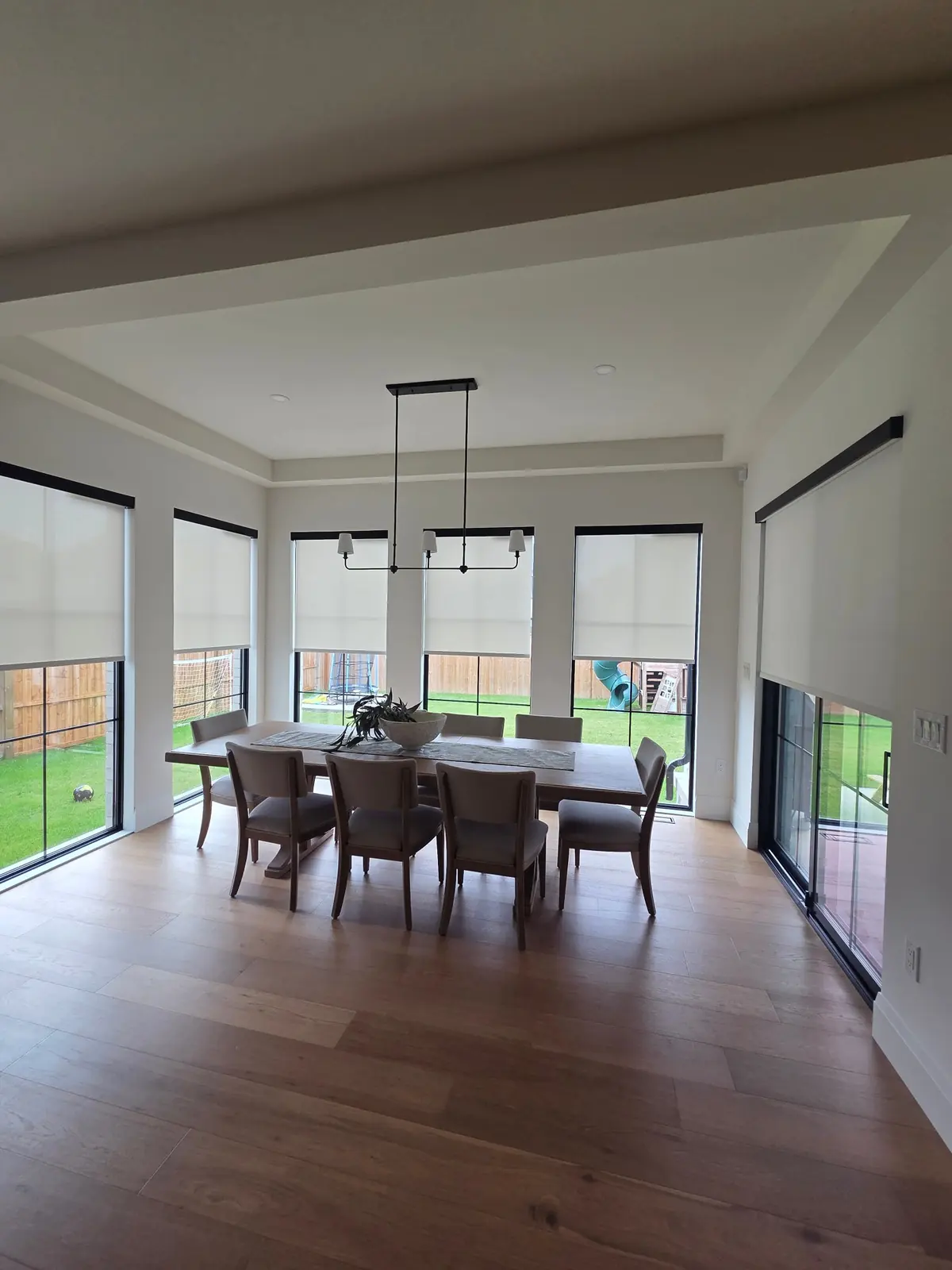
- Screen fabrics keep the view and cut glare. The openness factor (1%, 3%, 5%) sets the balance.
- Light-filtering fabrics give soft light and privacy, but no view.
- Blackout fabrics stop light through the fabric; the fit decides how dark the room gets.
- Screens don't give privacy at night. A second shade on the same bracket solves that.
On this page
The four fabric families
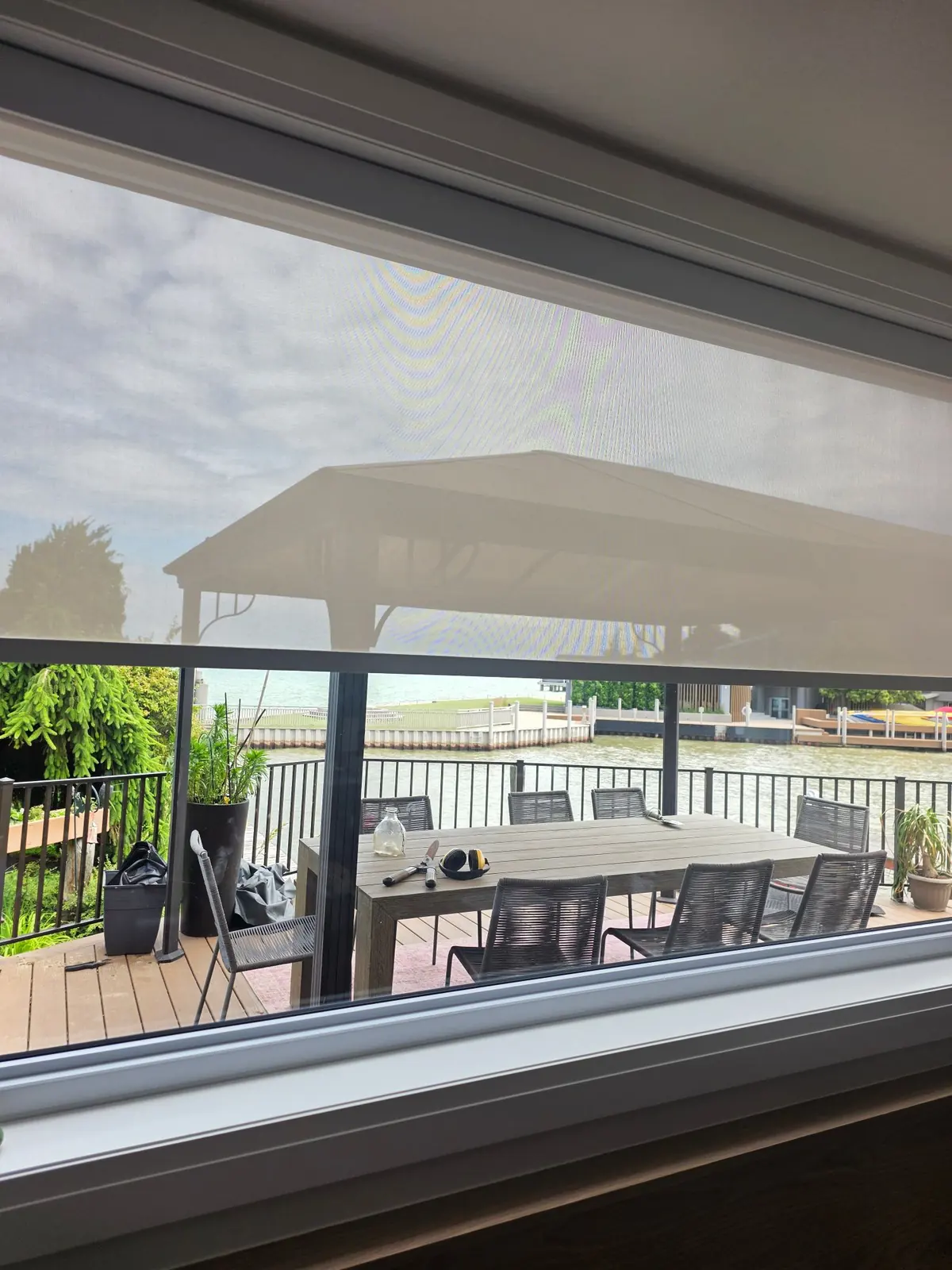
- Screen (solar) fabrics are woven with tiny openings, so you see out while glare, heat and UV are cut down.
- Light-filtering fabrics are solid but translucent. They glow softly and give privacy, but you can't see through them.
- Room-darkening fabrics let very little light through. Good for living rooms with a TV and for bedrooms where some light is fine.
- Blackout fabrics have a coating or backing that stops light passing through the fabric at all.
Openness factor, explained
Screen fabrics are rated by openness: the percentage of the weave that is open. Lower numbers mean tighter weaves.
| Openness | View out | Glare and UV control | Good for |
|---|---|---|---|
| 1% | Soft | Highest, blocks about 99% of UV | Strong south and west sun, lake glare |
| 3% | Clear | High, about 97% of UV | Most living rooms, kitchens and offices |
| 5% | Clearest | Moderate, about 95% of UV | Gentler east and north light |
| 10% | Very open | Lower | Shaded windows, or mainly for looks |
For most rooms, 3% is the sweet spot. We bring 1%, 3% and 5% samples so you can hold them up to your own windows.
Colour changes the view
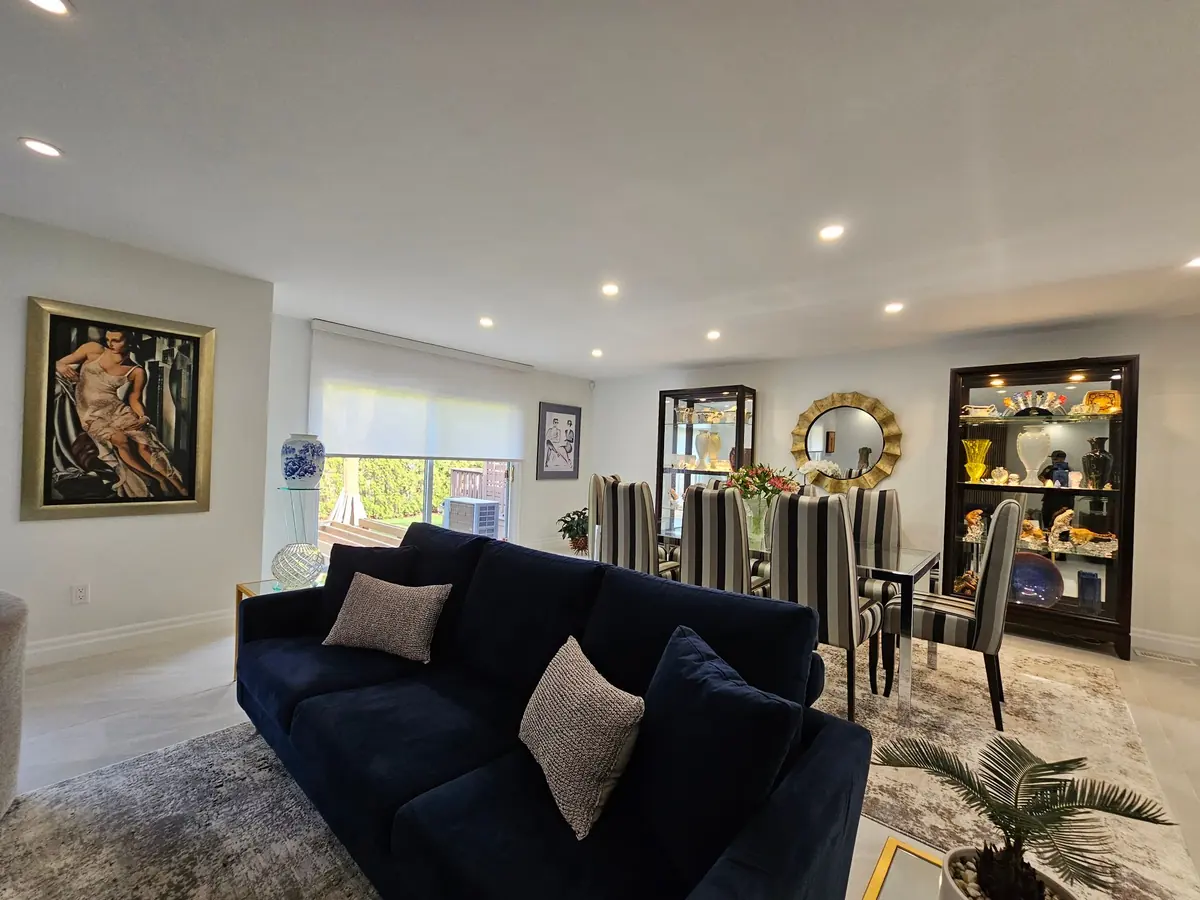
With screen fabrics, colour is as important as openness. Dark colours (charcoal, black, bronze) give the clearest view out and cut glare best, much like sunglasses. Light colours (white, linen, grey) reflect more of the sun's heat back out the window but look hazier from inside. Many people choose a darker screen for view windows and a lighter one for rooms where heat is the bigger problem.
From the street, the outward face of every shade shows. In condos or homes where you want a uniform look outside, choose a fabric whose back is white or neutral.
The day and night privacy rule
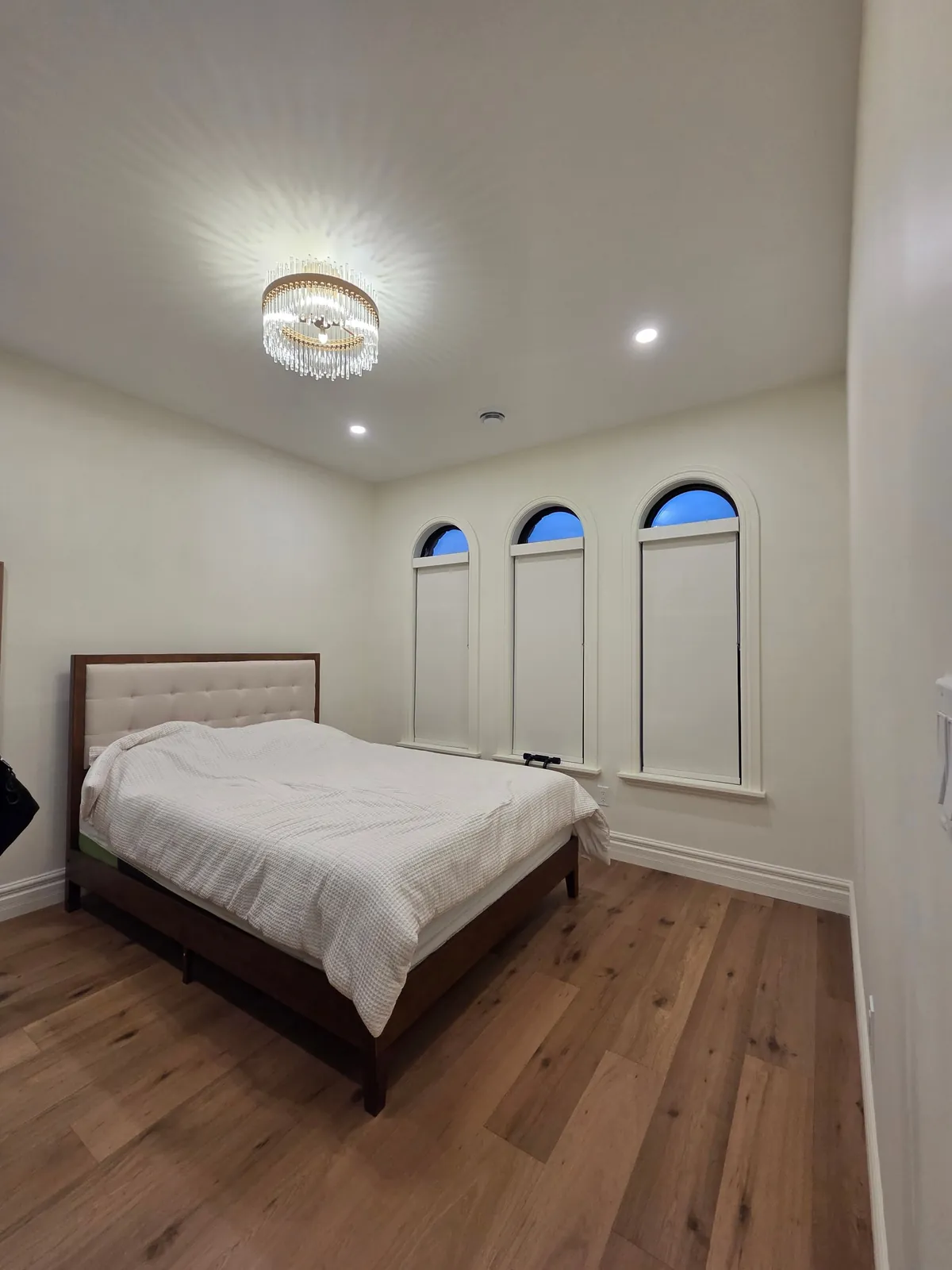
Screen shades give daytime privacy because it is brighter outside than in, so people outside see a reflective surface. After dark the situation reverses: with lights on inside, people outside can see in. If a room needs privacy at night, add a second shade. A dual roller holds a screen shade and a light-filtering or blackout shade on one bracket, each working on its own.
Cassettes, fascias and side channels
- Open roll: the fabric roll is visible at the top. Minimal and inexpensive.
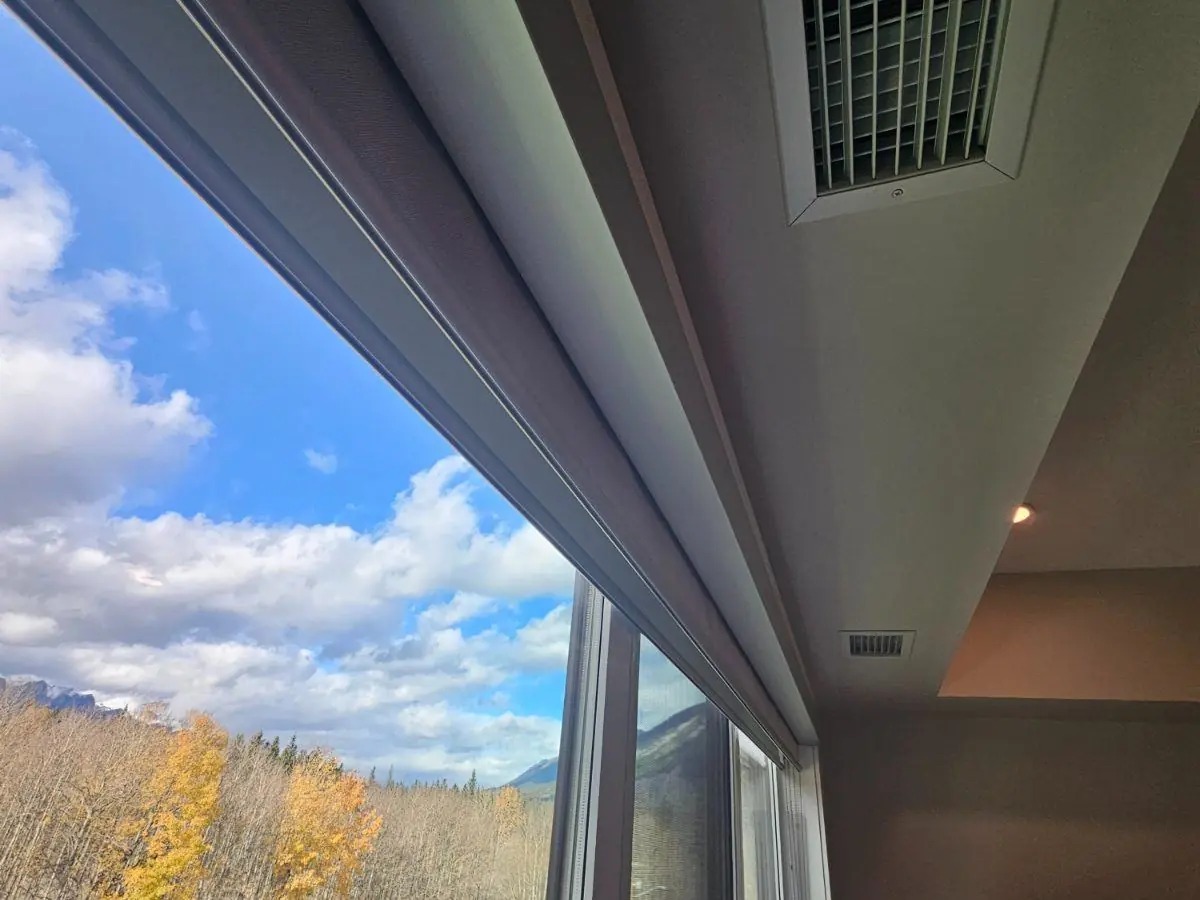
- Cassette or fascia: a box or cover that hides the roll and mounting hardware, and blocks some light over the top.
- Side channels: tracks down each side that hold the fabric edges. They block the light gaps at the sides and are the key to a truly dark room. See blackout blinds for bedrooms.
A few more details worth knowing
- Reverse roll: the fabric comes off the front of the tube instead of the back, which helps it clear window cranks and door handles.
- Bottom bars: a slim exposed bar looks modern; a fabric-wrapped bar blends in.
- Very wide windows: some fabrics have a maximum width. Beyond it, we split the window into two or more shades that line up, which also makes them easier to operate.
- Operation: chain with a safety tension device, cordless spring, or motorized.
Which fabric for which room
| Room | Usual choice |
|---|---|
| Living room with a view | Screen, 3%, darker colour |
| Living room, street-facing | Light-filtering, or screen plus light-filtering on a dual bracket |
| Bedroom and nursery | Blackout in a cassette, side channels if needed |
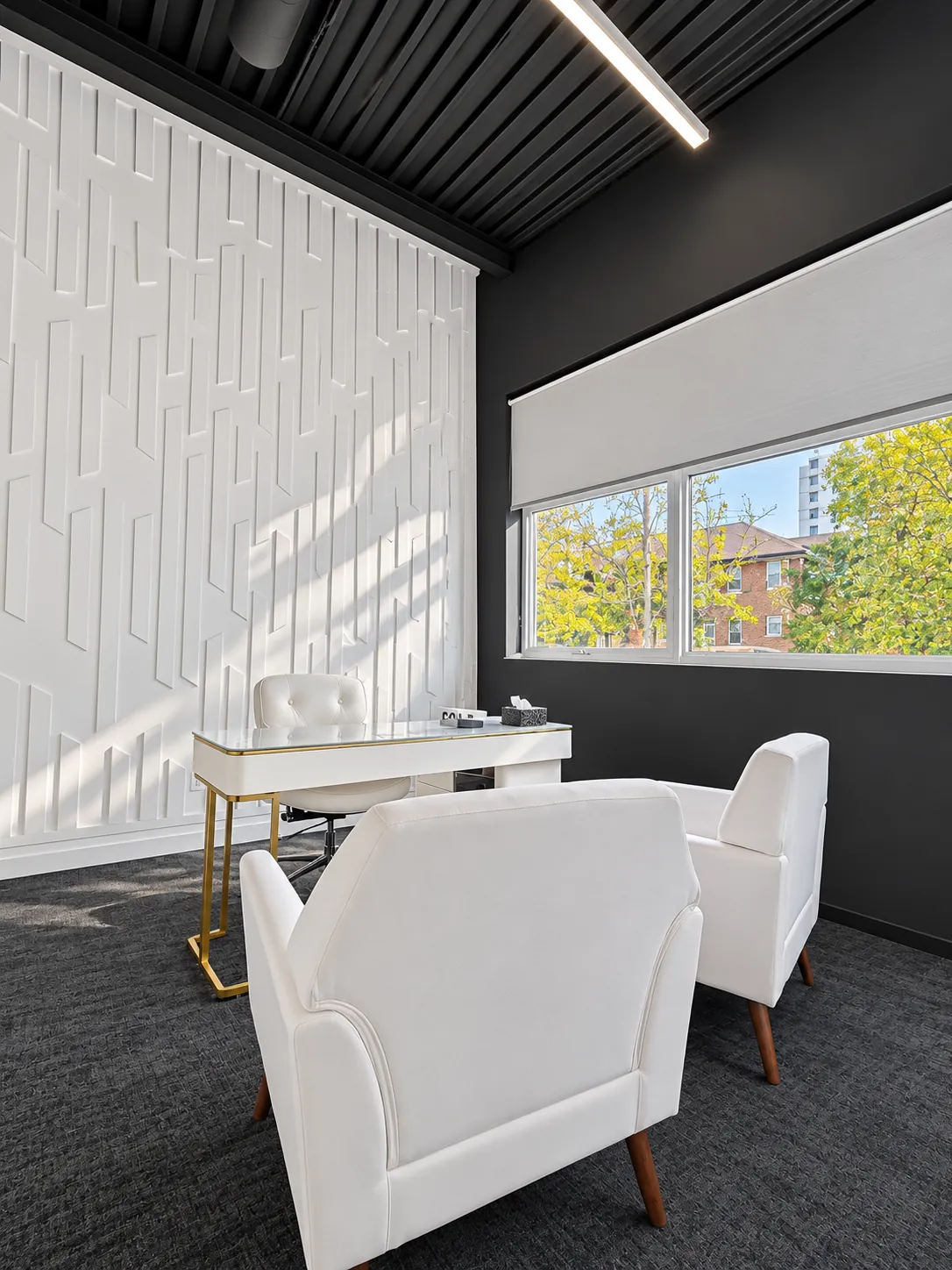
| Home office | Screen, 3% to 5% |
| Kitchen and bathroom | Moisture-resistant light-filtering or screen |
| Media room | Blackout or room-darkening |
How long do roller shade fabrics last?
Quality roller fabrics are made for years of daily use. What shortens their life is strong sun on delicate fabrics, rolling a shade up while it's damp, and a shade that isn't level, so the fabric tracks to one side and frays. Choose fabrics suited to the room (moisture-resistant in bathrooms, fade-resistant in sunny rooms) and a properly levelled installation, and a roller shade will look right for a long time.
Motorized roller shades
Roller shades are the simplest shades to motorize. We use smart motors with 2 Nm of torque, quiet enough for bedrooms, and low-voltage hardwired motors where a home is pre-wired. Every motor and its programming is covered by our full 3-year in-house warranty. See our smart motors.
Common questions
Can people see in through screen shades?
In daylight, mostly not, because it is brighter outside. At night with lights on, yes. Add a light-filtering or blackout shade for night privacy.
Which openness factor should I choose?
Start with 3%. Go to 1% for strong south or west sun and lake glare, or 5% if the view comes first and the light is gentle.
Do blackout roller shades make a room completely dark?
The fabric blocks all light, but some comes in around the edges. A cassette, an outside mount or side channels close those gaps.
Can one motor run two roller shades?
Usually each shade has its own motor and the shades are grouped to move together. Some wide windows use two shades coupled to one motor. We recommend the best option at the measure.