Elevating Your Home with Customizable Zebra Blinds
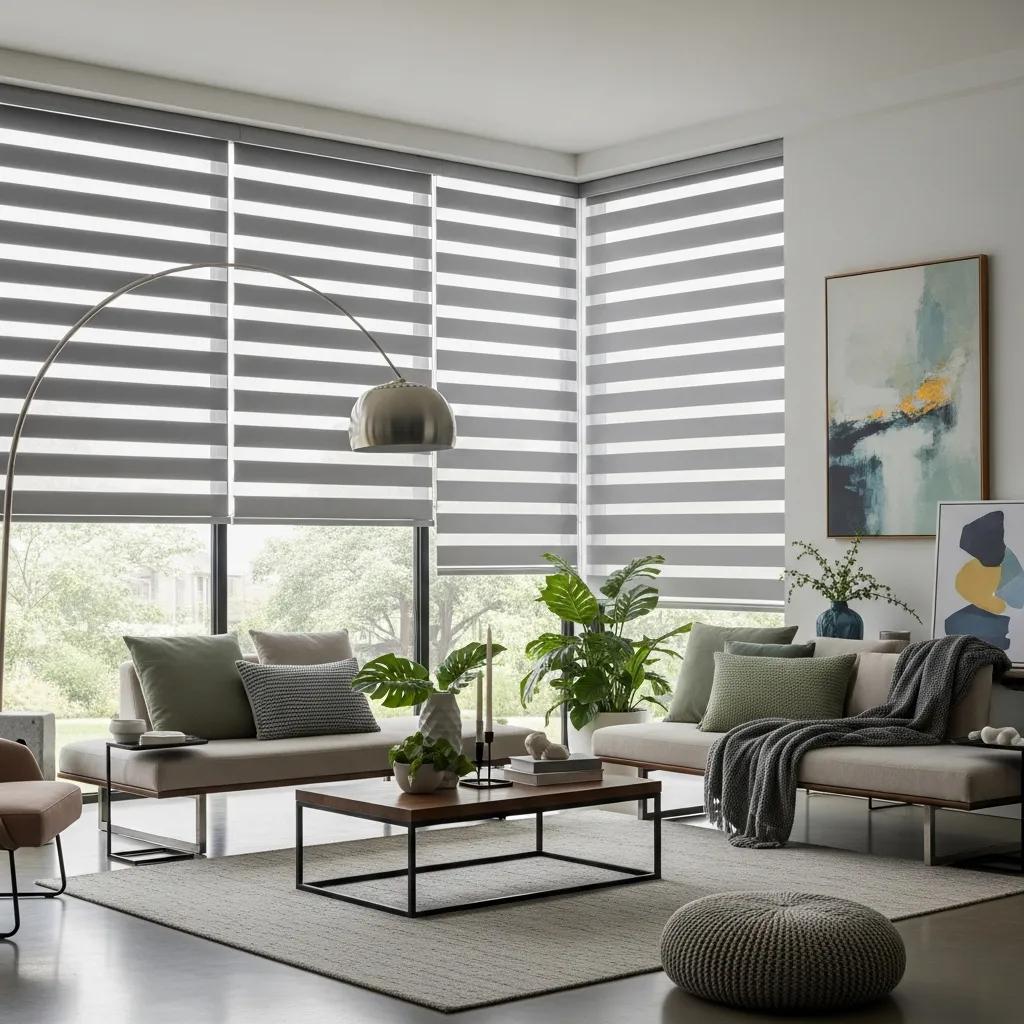
Unlock the Secrets of Zebra Blinds: Light Control, Privacy, and Style
Zebra blinds, also called zebra shades or combi shades, pair alternating sheer and opaque fabric bands to deliver precise, adjustable light control and a sleek modern aesthetic. This introduction explains how zebra blinds work, who benefits from them, and what to expect from the rest of the guide. You will learn the mechanism behind band alignment, practical advantages like energy savings and privacy, comparisons with other window treatments, selection criteria for motorized or blackout options, installation pathways, and maintenance strategies. Common buyer questions are addressed with actionable checklists, comparison tables, installation steps, troubleshooting advice, and guidance on evaluating suppliers. By the end of this article you will be equipped to choose, install, and maintain zebra blinds for living rooms, bedrooms, home theaters, and irregular windows with confidence.
This guide integrates local service options sparingly to help readers access demonstrations, measurements, and installations when needed. Throughout the article we use targeted terminology—zebra blinds local store, zebra shades blackout, motorized zebra shades, and custom zebra blinds—to match search intent and provide practical next steps for purchase and service.
What Are Zebra Blinds and How Do They Work?
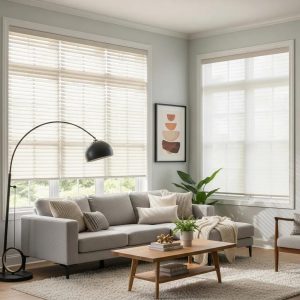
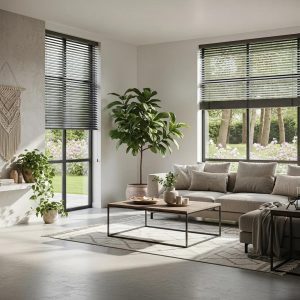
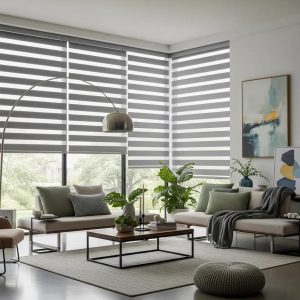
Zebra blinds are window coverings composed of alternating horizontal fabric bands—one sheer, one opaque—that slide past each other on a single roller to create a continuum of light filtering or full coverage. The mechanism relies on precise alignment: when opaque bands overlap, the blind dims light and increases privacy; when sheers line up, daylight passes through with filtered glare reduction. This design blends the function of roller shades and sheer panels into one system, giving users quick visual and privacy control without swapping curtains. Understanding this mechanism clarifies why zebra blinds are particularly popular in modern interiors where both view-through and room darkening are required.
Zebra blinds differ from simple roller shades in their layered band control and from venetian blinds in their fabric-based soft appearance, with distinct implications for insulation, cleaning, and aesthetic fit. The layered design leads naturally into material choices and comparative performance—topics explored in the following subsections that contrast zebra blinds with roller, cellular, and venetian options.
For readers who prefer hands-on evaluation, local showrooms can make the choice easier: We Blinds offers in-store samples and expert demos to illustrate band alignment and fabric opacity in real light. Their staff can explain sizing, suggest suitable mounts, and clarify motorization and blackout options—helpful next steps after you grasp the basic mechanism.
How do zebra blinds differ from other window treatments?
Zebra blinds combine features of roller shades and sheer panels, providing both filtered daylight and solid coverage without multiple layers, which contrasts with roller shades that offer a single fixed opacity. Compared with cellular (honeycomb) shades, zebra blinds prioritize variable light control and a contemporary look rather than maximum insulation. Against venetian blinds, zebra shades provide softer light diffusion with fewer dust-catching slats and a cleaner silhouette. These differences make zebra blinds ideal for living rooms and offices where view-through options and modern aesthetics matter, whereas cellular shades are better for strict insulation needs and venetian blinds for directional light control and room ventilation.
Understanding these distinctions helps match treatment to room function and occupant priorities, which leads directly into choices around materials and design that affect durability and suitability for specific spaces.
What materials and designs are commonly used in zebra blinds?
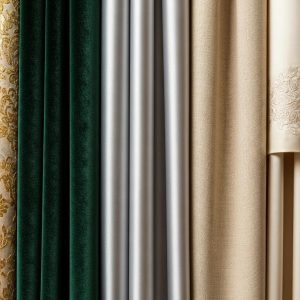
Manufacturers typically use polyester blends, layered sheer fabrics, and blackout laminated fabrics to deliver varying opacity and durability in zebra blinds. Sheer bands are usually lightweight woven polyester that provides UV diffusion, while opaque bands use tighter weaves or backing treatments for light blocking and thermal performance. Design options include varied sheer widths, textured weaves, and color palettes from neutrals to bold accents, allowing zebra blinds to complement contemporary and transitional interiors. For bathrooms and kitchens, moisture-resistant polyester blends are recommended, while bedrooms and home theaters often benefit from blackout laminates or outside mounts for maximum light control.
Choosing materials based on room humidity, light exposure, and cleaning tolerance helps ensure long-term performance and easier maintenance, which we address in the maintenance section below.
What Are the Key Benefits of Zebra Blinds?
Zebra blinds deliver a blend of functional and aesthetic benefits that address light control, privacy, energy efficiency, and contemporary design needs. Their alternating-band mechanism enables graduated daylight management, which reduces glare while preserving external views when desired. The single-roller format simplifies operation and cleaning compared with multi-piece window treatments, and fabric options allow significant variation in opacity—from sheer filtering to near blackout. These practical advantages pair with a minimal, layered look that suits modern décor while supporting energy-conscious choices through reduced solar gain in warmer months.
Below is a concise comparison table summarizing how motorized, manual, and blackout zebra variants perform across core attributes so you can quickly evaluate which aligns with your priorities.
Different zebra blind types offer distinct practical advantages for light, privacy, and maintenance.
| Type | Light Control | Privacy | Energy Efficiency | Ease of Cleaning |
|---|---|---|---|---|
| Manual zebra blinds | Flexible band alignment for daytime filtering | Moderate to high when aligned | Moderate (depends on fabric) | High—simple dusting or vacuuming |
| Motorized zebra blinds | Same control with remote/app automation | High with programmed positions | High when programmed for solar gain | High—less handling, easier timed cleaning |
| Blackout zebra blinds | Near-complete light blocking when closed | Very high—ideal for bedrooms | High—reduces heat transfer | Moderate—spot cleaning recommended for blackout coatings |
This table highlights how choosing motorization or blackout fabrics shifts the performance envelope of zebra blinds toward convenience or light exclusion as needed. The next section will translate these attributes into actionable selection criteria.
How do zebra blinds improve light control and privacy?
Zebra blinds adjust light control and privacy through band alignment: overlapping opaque bands block direct light, while aligning sheers allows diffused daylight to enter, creating a simple visual “slider” effect. This mechanism supports incremental settings—full open, filtered light, or near-dark—without changing hardware, which is useful in multi-purpose spaces such as living rooms that convert to media areas. Compared with sheer curtains, zebra blinds offer quicker transitions and more precise coverage; compared with blackout curtains, they allow more daylight variety while still offering strong privacy when needed. Practical examples include angling the bands for afternoon glare control in a south-facing room or closing opaque bands overnight in a bedroom for total privacy.
What energy-saving and aesthetic benefits do zebra blinds offer?
Zebra blinds contribute to energy efficiency by reducing solar heat gain when opaque bands are engaged and by diffusing harsh sunlight when sheers are aligned, lowering cooling loads in warm seasons. Fabrics with reflective backings and blackout laminates can further reduce UV penetration and protect furnishings from fading. Aesthetically, zebra blinds present a streamlined horizontal banding that complements minimalist and modern interiors, and the range of textures and colors lets designers create subtle or bold statements. Properly matched fabrics and installation (inside vs outside mount) can balance thermal performance and visual cohesion to support both comfort and décor goals.
Understanding these benefits leads naturally into choosing the right subtype—motorized, blackout, or custom—based on room use and lifestyle needs.
How to Choose the Right Zebra Blinds: Motorized, Blackout, and Custom Options
Selecting the right zebra blinds involves weighing convenience, blackout performance, and exact-fit requirements for irregular or large windows. Motorized systems add automation, scheduled positions, and smart-home integration for hands-free convenience and improved child safety. Blackout fabrics prioritize darkness and privacy for bedrooms and media rooms, while custom-fit solutions address odd-shaped or oversized windows and ensure clean sightlines. Consider the room function, mounting constraints, and control preferences when deciding among these options to match daily use and aesthetic goals.
Below is a table that outlines common options, their defining attributes, and typical use cases to help you decide which combination suits your space best.
Key options map directly to use-case value to simplify selection.
| Option | Key Feature | Typical Use Case / Value |
|---|---|---|
| Motorized zebra blinds | Remote/app/wall control, scheduling | High convenience for large windows and smart-home setups |
| Blackout zebra blinds | Laminated or dense opaque bands | Bedrooms, nurseries, and home theaters needing darkness |
| Custom-fit zebra blinds | Tailored width/length, edge finishes | Irregular or unusually sized windows, precise aesthetics |
| Manual standard zebra blinds | Cost-effective, simple operation | Small windows or budget-conscious projects |
This comparison helps prioritize needs: choose motorized systems for convenience and accessibility, blackout variants for darkening goals, and custom builds for precise architectural fits.
For readers wanting professional help with measurement, customization, or motorization upgrades, local consultations are an efficient next step. We Blinds offers consultations and measurement services to discuss motorization options and blackout fabrics, guiding selections that match room function and décor. Their experts can outline motor types (battery vs wired), advise on power requirements, and provide timelines for custom orders, which is especially useful when planning coordinated window treatments across multiple rooms.
What are motorized zebra blinds and how do they enhance convenience?
Motorized zebra blinds use tubular motors controlled by remotes, wall switches, or smartphone apps, enabling precise preset positions and integration with home automation systems. Power options include battery-operated motors that avoid hard wiring and wired systems that support continuous use; selection depends on accessibility and cost trade-offs. Motorization improves safety by removing cords and allows scheduling for security or energy management, such as lowering blinds during midday sun to reduce cooling demand. For users with limited mobility or owners of large glass expanses, motorized controls add measurable convenience and modern functionality.
When should you choose blackout zebra blinds for your space?
Blackout zebra blinds are appropriate for bedrooms, nurseries, and home theaters where near-total darkness and minimized light leaks are essential for sleep quality or screen viewing. They typically use denser opaque bands or a blackout backing and perform best when installed with an outside mount that reduces light gaps at the edges. For shift workers or rooms with early morning streetlights, blackout zebra blinds deliver dramatic improvements in sleep hygiene compared with sheer-only solutions. Installation techniques and mounting choice significantly affect blackout performance, which is why precise measurement and fit are critical.
How can custom zebra blinds be tailored to your needs?
Custom zebra blinds allow exact width and length specifications, tailored fabric selections, refined edge treatments, and specific control options like child-safe systems or integration-ready motorization. The custom process typically follows measure → fabric selection → control selection → production → installation, with lead times varying by fabric and motor complexity. Customization is especially valuable for nonstandard windows—arched or tall panes—where off-the-shelf sizes would leave unsightly gaps or inadequate coverage. Professional measurement and fitting reduce return risk and maximize performance, particularly for blackout or motorized configurations.
Because installation complexity varies, the next major section explains DIY steps, tool lists, and when to involve a professional installer.
What Is the Best Way to Install Zebra Blinds?
Choosing installation approach depends on window type, motorization, and user skill: standard inside-mount manual blinds are often DIY-friendly, while motorized systems and large or irregular windows typically benefit from professional installation. Accurate measurement is the foundational step—errors in height or width cause gaps and operation issues—so the install process emphasizes verification, correct bracket placement, and secure headrail attachment. Safety considerations include ladder stability and electrical work for wired motors, which inform the DIY versus pro decision. Clear step-by-step guidance and tool checklists reduce mistakes and ensure smooth operation.
The table below compares mounting types and estimated DIY difficulty/time to help you decide whether this is a project you can handle or one that should be contracted out.
Installation pathways differ significantly in difficulty and duration.
| Mount Type | DIY Difficulty | Estimated Time |
|---|---|---|
| Inside mount (standard) | Low–Moderate | 45–90 minutes per window |
| Outside mount (to block light gaps) | Moderate | 60–120 minutes per window |
| Motorized wired install | High (requires electrician) | 2–4 hours per window |
| Motorized battery install | Moderate | 60–120 minutes per window |
This table clarifies that motorized wired installs usually require professional help, while simple inside-mount manual installs can be manageable for experienced DIYers.
For readers who prefer to leave installation to specialists, professional services mitigate risk and guarantee fit—We Blinds offers installation consultations and professional installation services to ensure precise mounting, safe motor wiring, and optimized blackout performance. Their installation option reduces the likelihood of misalignment or electrical hazards and is a sensible investment for motorized systems or complex window layouts.
Can you install zebra blinds yourself or should you hire a professional?
You can install zebra blinds yourself when windows are standard rectangular shapes, tools are available, and you are comfortable with basic drilling and bracket alignment; DIY saves money and is feasible for inside mounts and battery motor systems. However, hire a professional when windows are oversized, irregular, require wiring for motorized controls, or when precise blackout performance is a priority—professionals reduce the risk of rework and ensure safe electrical connections. Consider your comfort with power tools, ladder work, and measuring accuracy when deciding; these factors determine whether DIY remains a practical choice or professional installation is the prudent option.
What tools and steps are involved in zebra blinds installation?
A typical installation requires a tape measure, pencil, drill with appropriate bits, screwdriver, level, mounting brackets, anchors (for drywall), and safety gear such as a stable ladder and eye protection. Steps proceed as follows: measure and confirm actual window dimensions, mark bracket positions, drill pilot holes, secure brackets with anchors or screws, snap the headrail into place, attach the bottom rail and control mechanism, and finally test and adjust for smooth operation. Common pitfalls include misreading inside- versus outside-mount dimensions and failing to account for obstruction clearance for motorized controls. After installation, test multiple positions to ensure bands align correctly and perform any minor tension or alignment adjustments.
Follow this concise checklist to reduce installation errors.
- Measure window width and height twice, noting inside vs outside mount.
- Mark and level bracket positions, accounting for depth and obstructions.
- Drill pilot holes and install appropriate anchors or screws.
- Mount brackets, snap in headrail, attach bottom rail, and test operation.
- Adjust tension or alignment and secure motor wiring if applicable.
How to Maintain and Care for Zebra Blinds for Longevity?
Routine maintenance keeps zebra blinds operating smoothly and preserves fabric appearance; schedule light dusting or vacuuming weekly and spot clean spills promptly according to fabric care instructions. For routine cleaning, a soft brush attachment on a vacuum or a microfiber duster effectively removes dust from both sheer and opaque bands without stressing seams. Deeper cleaning depends on fabric: water-safe polyester blends tolerate gentle spot cleaning with mild detergent, while blackout-backed fabrics may require careful blotting and avoidance of abrasive scrubbing. Regular checks of control mechanisms, brackets, and motor battery levels prevent failures and extend useful life.
Below is a practical maintenance list of safe cleaning methods and preventive actions that readers can apply regularly to keep blinds performing well.
- Dust weekly with a microfiber duster or vacuum brush attachment to prevent buildup.
- Address spills immediately with a damp cloth and a mild detergent solution for water-safe fabrics.
- Avoid soaking or machine washing laminated blackout fabric to prevent delamination.
- Inspect mounting brackets and controls quarterly and re-tighten hardware as needed.
- For motorized blinds, check batteries or motor diagnostics and schedule service if operation becomes erratic.
Implementing these steps reduces the chance of fabric damage or mechanical failure, and the next subsection provides troubleshooting guidance when problems arise.
What cleaning methods are safe for zebra blinds?
Safe cleaning begins with dry methods: light dusting using a microfiber cloth or vacuum brush attachment prevents abrasive buildup and preserves fabric coatings. For spot cleaning, use a diluted mild detergent and a soft sponge, blotting rather than rubbing to protect surface texture and opaque backings; rinse with a damp cloth and air-dry fully. Avoid bleach, strong solvents, or high-heat drying which can damage laminated backings and adhesives used in blackout fabrics. When in doubt about a fabric’s water resistance, consult the manufacturer’s care tag or seek professional fabric cleaning services to avoid irreversible damage.
How to troubleshoot common zebra blinds issues?
Common issues include uneven rolling, misaligned bands, motor non-responsiveness, and stuck slats; initial troubleshooting follows a simple diagnostic flow: identify symptom → check obvious causes → attempt simple remedies → escalate to professional repair if unresolved. For manual systems, uneven rolls often result from misaligned headrails or uneven bracket heights—loosen brackets, realign, and re-tighten. For motorized systems, verify power or battery levels, reset the motor according to the manual, and check for obstructions. If bands are misaligned, gently roll to an open position and realign before locking the headrail; persistent mechanical or electrical faults indicate the need for professional service.
Where to Buy Quality Zebra Blinds: Tips for Finding Reliable Suppliers
Selecting a reliable supplier focuses on sample availability, measurement and installation services, transparent warranties, and demonstrable local presence for after-sales support. Seek suppliers that provide in-home or in-store samples to inspect fabric opacity and texture in your actual light conditions, and confirm they offer professional measurement and installation as part of the service. Compare quotes not only on price but on included services like fitting, warranty length, and motor support; a slightly higher price may deliver better long-term value through proper fit and reduced rework. Local suppliers simplify returns, follow-ups, and timely installation scheduling, especially for custom or motorized orders.
The checklist below outlines key questions and red flags to use when evaluating potential suppliers.
- Do they provide physical fabric samples and in-home or in-store demonstrations?
- Is professional measurement and installation offered or guaranteed in writing?
- What warranty covers fabric defects, motor performance, and installation workmanship?
- Are lead times and return policies transparent with documented terms?
- Can the supplier provide local references or examples of previous installations?
After evaluating suppliers against these criteria, request written warranty details and installation policies before committing to purchase.
When you want local, service-focused support—samples, on-site measurements, and installation quotes—consider consulting a nearby specialist. We Blinds is positioned as a local resource to provide samples, measurement services, and custom order consultations to help finalize fabric selection, motorization options, and installation plans. Contacting a local store for a demo and a quote can save time and ensure the selected zebra blinds meet performance and aesthetic expectations.
What should you look for in a zebra blinds supplier?
Look for a supplier that offers sample availability, professional measurement services, clear warranty coverage, and installation options to ensure a smooth end-to-end experience. Sample access lets you verify color and opacity against real light, while measurement services reduce sizing errors that lead to light gaps or returns. Installation services—especially for motorized blinds—ensure safe wiring and correct bracket placement. Check for transparent terms on lead times and after-sales support so you have recourse if issues arise after installation.
Asking these questions before purchase reduces surprises and improves the likelihood of long-term satisfaction, with the next subsection addressing warranty specifics to confirm before buying.
Are there warranty and return policies to consider?
Warranties typically cover fabric defects, motor failures, and workmanship for defined periods; verify what is included, any labor coverage, and the process for claims or repairs. Return windows and restocking fees vary—confirm eligibility for returns on custom items and whether measurement or installation errors are covered under workmanship guarantees. Request written warranty terms and confirm who handles motor repairs and replacement parts. Documenting these details in writing before purchase prevents misunderstandings and helps compare true value across suppliers.
Concluding this buyer guidance, the final action is to obtain samples and written warranties before placing custom or motorized orders to ensure performance and peace of mind.
- Inspect Samples First: Confirm fabric behavior in real lighting conditions and check opaque vs sheer balance.
- Request Written Warranties: Ensure coverage includes motor components and installation workmanship.
- Compare Total Value: Assess quotes on included services, lead times, and after-sales support rather than price alone.
These practical steps complete the buying process checklist and equip you to choose zebra blinds that meet both aesthetic and functional goals.