Elevate Your Home with Custom Luxury Curtains and Drapes
Luxury Curtains and Custom Drapery for Windsor-Essex and London
Luxury curtains combine premium fabrics, careful construction and precise installation to reshape light, improve acoustics and boost thermal comfort while making a clear design statement. This guide walks you through the fabrics and styles that define high‑end drapery, how material choices change light control and insulation, and how modern motorized systems connect with smart homes in Windsor‑Essex and London, Ontario. Homeowners and designers often juggle beauty and performance—seeking true blackout, better thermal efficiency or improved acoustics without losing the drape or finish—and the right combinations solve those tradeoffs. You’ll find practical comparisons of velvet, silk, linen and technical fabrics; straightforward guidance on pinch pleat versus ripple fold; step‑by‑step notes on motorized options; and actionable strategies for combining blackout and thermal features. The guide also explains what to expect from professional consultation and expert installation, and points to local portfolio examples that show real benefits. Along the way we use helpful search terms like luxury curtain, luxury curtains Windsor, velvet drapes Windsor, and motorized luxury drapes to make it easier to find the right high‑end solution.
What Are the Best Luxury Curtain Materials for Elegant and Functional Window Treatments?
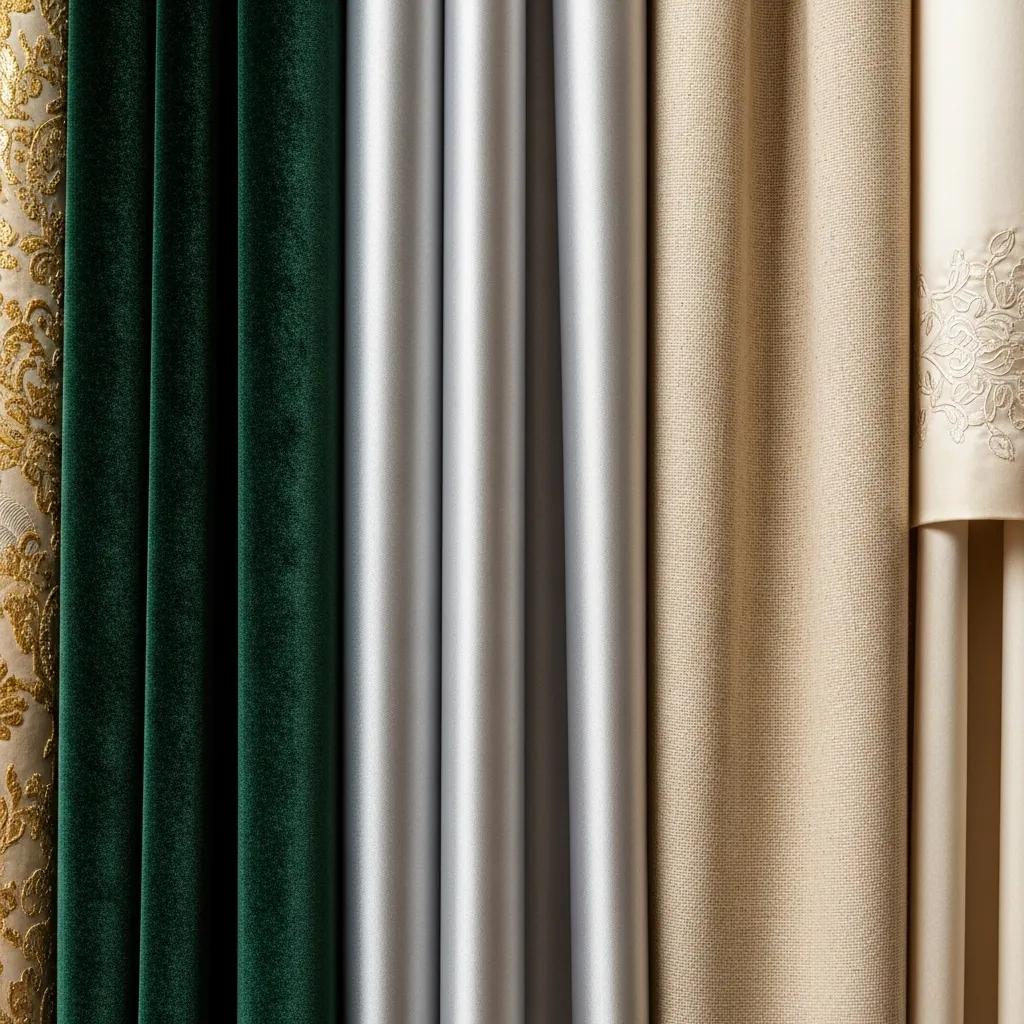
Top‑tier curtain materials balance visual depth with measurable performance. Heavy‑weight cloth like velvet adds visual richness and helps with sound absorption; silk offers a luminous sheen suited to formal rooms; high‑quality linen brings natural texture that layers beautifully. Performance comes down to weight, weave density and lining choices: heavier fabrics and interlinings raise thermal value and acoustic absorption, while light‑reflective silks cut glare and add refinement. Start by identifying the room’s priorities—privacy, daylight control or temperature regulation—then refine choices around sheen, colorfastness and care. Below we profile the leading materials, then show a comparison table to match fabric properties with applications and care needs.
Which Fabrics Define Luxury Curtains: Velvet, Silk, and High‑End Linen?
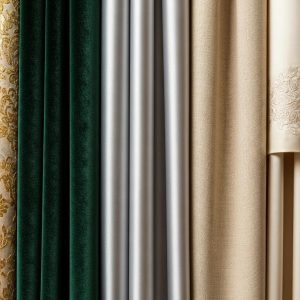
Velvet drapes read as luxurious because of their dense pile, deep colour saturation and graceful fall; their weight also improves acoustic dampening and insulation. Velvet noticeably boosts acoustic performance, making it a top option where sound control matters. It typically needs dry cleaning and works best with a full lining to protect the pile and increase thermal value. Choose velvet for formal living rooms, home theatres and large windows where a full, sumptuous finish is desired—and specify strong hardware or tracks that support heavier headers.
How Do Material Choices Affect Light Control, Insulation, and Soundproofing?
Fabric weight, weave and lining interact to change how much light is blocked, how much heat is retained and how well sound is absorbed. Heavy, tightly woven cloth with a dense lining delivers the best combined performance. Layering a sheer with a lined heavy drape lets you diffuse daylight by day and lock privacy at night; adding thermal interlining increases R‑value by trapping air between layers. Properly chosen headers and a close wall‑to‑floor fit reduce light bleed and drafts, improving blackout and insulation. Those practical mechanisms then guide style and hardware choices so you preserve the look while maximising function.
Different luxury fabrics compared for performance and care:
| Fabric | Weight / Hand | Light Control | Insulation | Acoustic Performance | Care |
|---|---|---|---|---|---|
| Velvet | Heavy / Plush | Excellent (with lining) | High | High | Dry clean |
| Silk (woven) | Medium / Sheeny | Moderate (needs lining) | Moderate | Low-Moderate | Professional clean |
| High-end Linen | Medium / Textured | Moderate | Moderate | Moderate | Gentle clean / professional |
| Wool blends | Medium-Heavy / Dense | Good | Good | Good | Professional clean |
| Performance polyester blends | Variable / Engineered | Good-Excellent | Good | Moderate | Machine wash or gentle clean |
This table highlights the tradeoffs so you can match fabric performance to room priorities and maintenance expectations. Next we explain how header styles and drapery formats shape perceived luxury and day‑to‑day function.
What Are the Most Popular Custom Drapery Styles for Luxury Curtains?
Style choices determine how fabric falls, how light behaves at the window and whether a room feels formal or modern. Picking a header and the right fullness ratio is as important as choosing the fabric. Pinch pleats create a structured, traditional silhouette; ripple fold and wave systems produce continuous, contemporary lines ideal for modern interiors. Hardware—rod versus track—and desired fullness (commonly 1.5×–3× the fabric width) affect installation and the final look. Below we describe common high‑end styles and give a compact comparison to pair each style with recommended fabrics and uses.
How Do Pinch Pleat, Ripple Fold, and Tailored Pleat Styles Enhance Sophistication?
Pinch pleat drapery offers repeating, tailored folds that read as classic elegance and suit heavier fabrics like velvet and wool blends—its structure emphasises verticality and formality. Ripple fold and wave systems create soft, continuous undulations that complement minimalist interiors; they rely on consistent fabric weight and precise track mounting to keep the wave effect. Tailored pleats and fine finishing—hand‑stitched hems, interlining and pattern matching—signal craftsmanship and lift perceived value. Choose the style that matches your design intent: structured luxury for traditional rooms or streamlined simplicity for contemporary spaces.
A quick comparison of styles and recommendations:
| Style | Formality | Recommended Fabrics | Track/Rod Compatibility | Best Use Case |
|---|---|---|---|---|
| Pinch pleat | High | Velvet, silk, wool blends | Rod or track | Formal living rooms |
| Ripple fold | Medium-High | Linen blends, polyester performance | Track | Modern living/dining rooms |
| Tailored pleat | High | Silk, linen blends | Rod or track | Bespoke residential spaces |
| Grommet / Eyelet | Contemporary | Lighter linens, blends | Rod | Casual or minimal interiors |
Use this table to pair aesthetic goals with fabric and hardware choices. Next we look at motorization and smart‑home integration for luxury curtains.
How Do Motorized Luxury Curtains Improve Convenience and Smart Home Integration?
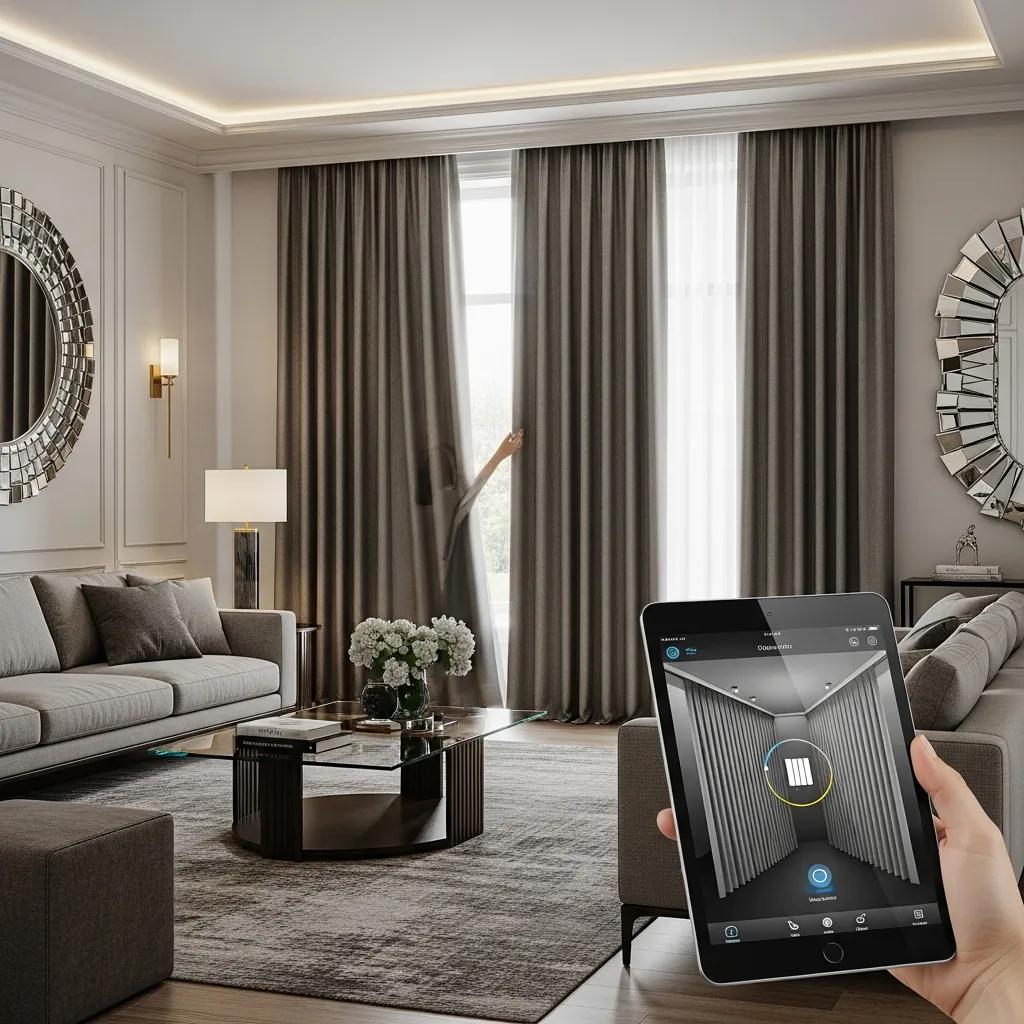
Motorized luxury curtains automate daily routines, make homes more accessible and help optimise shading for energy savings by following schedules or reacting to sensors. They can be mains‑powered or battery‑operated depending on site constraints. Motorised systems also reduce wear by ensuring smooth, consistent movement and integrate with home automation for voice control, routines and remote management that enhance everyday comfort. Planning for installation includes power routing, track compatibility and signal range testing to ensure reliable operation in Windsor‑Essex and London homes. Below are the main benefits and a short list of practical considerations when choosing motorization.
What Are the Benefits of Automated and Smart Drapery Systems?
- Convenience and Scheduling: Automate opening and closing to match daily routines.
- Energy Optimization: Coordinate shading to reduce peak cooling loads.
- Accessibility and Safety: Remote and voice control remove physical barriers.
These practical benefits lead naturally into platform compatibility and what to check before buying motorized drapery.
How Does Motorization Work with Popular Smart Home Platforms in Windsor‑Essex and London?
Most motorized systems connect via RF, Zigbee or Wi‑Fi to hubs and voice assistants like Google Home or Amazon Alexa, enabling voice commands and automated routines that tie curtains to lighting and thermostats. Confirm protocol compatibility, whether a bridge or hub is required, and whether your installer will handle integration and ongoing firmware support. Typical voice actions include scheduling (“close living room drapes at sunset”) or routines (“good night” to close drapes and switch off lights) — both need reliable network planning and installer calibration. For peace of mind, choose a local provider that supplies both the motorized hardware and professional installation to protect performance and warranty coverage.
After learning about motorization and integrations, many homeowners prefer professional guidance to ensure measurements, style choices and installation meet expectations. Our aim is to help you discover, customise and purchase the ideal window treatments through consultation and installation.
Why Choose Professional Design Consultation and Installation for Luxury Curtains?
Professional consultation and installation ensure accurate measurements, the right hardware and workmanship that preserves both the look and the performance of luxury curtains. These services reduce rework and ensure correct motor calibration when required. Expert consultants bring fabric knowledge, sample libraries and tried‑and‑tested installation techniques that address light bleed, mounting depth and hem length specific to each room. A clear process—from site measurement and sample draping to final fitting and post‑install calibration—delivers predictable results and lasting performance. Below is a simple list of what to expect from a complimentary in‑home consultation.
What to Expect from a Free In‑Home Luxury Curtain Consultation?
A free in‑home consultation typically includes precise site measurements, fabric and hardware samples, and a discussion of your shading and timing goals so we can produce a detailed estimate and plan. Consultants assess window reveals, wall clearance, preferred mounting heights and potential obstacles like radiators or trim, then recommend header styles and lining options that meet both aesthetic and performance needs. You’ll get guidance on fabric care, fullness ratios and motorization feasibility, with swatches shown in your room’s actual light. This collaborative step reduces uncertainty and leads into the installation phase where precise execution matters most.
- Measurement and Site Assessment: Exact sizing and obstacle identification.
- Fabric and Hardware Sampling: Swatches reviewed in your room lighting.
- Estimate and Timeline: Clear plan for production and installation.
For homeowners in Windsor‑Essex and London seeking local support, our goal is to provide useful information about window treatment options, showcase solutions and guide you from discovery to customisation and installation.
How Does Expert Installation Ensure Perfect Fit and Lasting Quality?
Professional installers use industry techniques to secure mounts, set correct track tension and finish hem lengths so curtains hang evenly and operate smoothly over time—these checks prevent premature fabric wear and hardware issues. Installation includes motor calibration, limit‑setting, and testing of remotes or voice controls so operation is reliable within your home network. Quality installation also addresses pattern alignment, header spacing and minimal light gaps so the finished result matches your design intent and performance goals. Installers will review aftercare, maintenance schedules and warranty terms to protect your investment and keep everything working well.
Installer tasks and quality checks:
- Mounting and Securement: Ensures load‑bearing supports and even hanging.
- Hardware Calibration: Limit settings for motors and smooth track operation.
- Finish Verification: Pattern alignment, hem adjustments and final client review.
Our goal is to provide clear information about window treatment options, showcase products and services, and guide homeowners through customisation and installation to deliver the intended result.
How Can You Combine Blackout and Thermal Features in Luxury Curtains for Energy Efficiency?
Combining blackout and thermal features uses careful fabric selection, linings and installation details to improve sleep, reduce HVAC loads and give media‑room darkness without compromising style. Options include laminated blackout linings, thermal interlinings and mounting curtains close to the wall with overlapping returns to cut light bleed and convective drafts. Layering a sheer for daytime privacy with a lined heavy drape for night gives flexible control, while correct rod projection and floor clearance help seal the window plane. The table below compares curtain constructions against thermal and light‑blocking attributes to guide your selection.
- Mount high and wide: Increase effective coverage and reduce light gaps.
- Use thermal interlining: Add insulating air space between layers to boost R‑value.
- Seal edges: Use returns or wraparound mounting to minimise light and air leakage.
These steps support the energy and comfort goals that often drive luxury curtain choices.
What Are the Advantages of Blackout and Thermal Insulating Drapes?
Blackout and thermal drapes improve sleep quality, privacy and can significantly reduce heat transfer when installed correctly—especially valuable in bedrooms, nurseries and media rooms. By lowering summer solar gain and winter heat loss, well‑designed treatments can reduce peak HVAC demand and make interiors more comfortable. Heavier constructions also deliver acoustic benefits for a calmer room. Practical installation tips—full‑length hems, tight side returns and centre overlap—help you get the most from these systems.
A comparative table for blackout and thermal choices:
| Curtain Type | Thermal R-Effect | Light Block % | Layering Recommendation |
|---|---|---|---|
| Velvet + interlining | High | 95–100% | Use with sheer for daytime |
| Laminated blackout | Moderate-High | 99% | Single layer, minimal seams |
| Wool blend with lining | Moderate | 85–95% | Add interlining for winter |
| Thermal weave performance fabric | Moderate | 80–95% | Pair with track-mounted pelmet |
This comparison makes the tradeoffs clear so you can choose the construction that meets both your energy goals and aesthetic priorities. Next we show local portfolio examples where these strategies were applied.
Where Can You See Examples of Luxury Curtain Projects in Windsor‑Essex and London?
Our local portfolio highlights show how material, style and motorization choices translate into measurable outcomes—improved shading, quieter rooms and elevated interiors. Case studies outline the challenge, the custom solution and the benefits delivered. Residential projects often feature silk or velvet pinch pleats to improve proportion and acoustics, while commercial installs use motorized tracks and layered systems for flexible daylight control. Short captions and before/after notes make it easy to connect visuals with the decisions behind them. Below are curated examples and brief summaries of real projects.
What Do Our Residential and Commercial Luxury Drapery Installations Look Like?
Residential work highlights careful material selection and tailored headers—velvet pinch pleats in media rooms to control acoustics, linen ripple folds in open plans for subtle texture and daylight modulation. Commercial projects commonly use motorized tracks across large glazing to combine energy control with a clean, continuous look. Captions specify materials, header style and the functional aim—privacy, blackout, thermal or acoustic improvement—so you can map images to performance. These curated examples reveal practical fabric, header and hardware pairings for different design goals.
How Have Local Clients Transformed Their Spaces with Custom Luxury Curtains?
Case studies capture client goals, the chosen solution and the measurable or perceived benefits—examples include better sleep after installing blackout‑lined bedroom drapes, and reduced cooling demand following motorized exterior shading. One story might describe a homeowner who prioritised media‑room acoustics and gained clearer sound and deeper blacks with heavy velvet drapery and professionally mounted tracks. Another could highlight a commercial lobby that used automated daytime shading to cut glare and improve visitor comfort. These accounts show the tangible impact of professional design and installation on comfort, style and function.
- Residential transformations: Materials and headers matched to lifestyle goals.
- Commercial solutions: Scalable motorization and fabric choices for large glazing.
- Measured benefits: Improved acoustics, better sleep conditions and shading‑driven comfort gains.
This selection illustrates practical applications of the principles covered above and offers inspiration for your own project.
Frequently Asked Questions
What is the typical lifespan of luxury curtains?
Longevity varies with fabric, care and environment. High‑quality materials such as velvet and silk, when cleaned and stored properly, can last 10–20 years or longer. Regular maintenance, avoiding constant direct sunlight and using suitable hardware all extend lifespan. Professional installation that prevents undue strain on seams and tracks also reduces premature wear. Investing in quality materials and care is the best way to maximise longevity.
How do I choose the right luxury curtain style for my home?
Match style to both appearance and function. Look at the room’s décor—traditional spaces suit pinch pleats, while modern interiors often benefit from ripple fold systems. Consider how much light control and privacy you need and the fabric’s performance. Also think about how the curtains will coordinate with furniture and architectural features. A professional consultation will give you tailored recommendations based on your space and daily routines.
Can luxury curtains help with energy efficiency?
Yes. Choosing fabrics with thermal properties and pairing them with blackout linings reduces heat loss in winter and limits heat gain in summer. Correct installation—mounting curtains high and wide and sealing edges—improves effectiveness against drafts and light. These measures increase comfort and can lower heating and cooling costs by reducing HVAC demand.
What maintenance is required for luxury curtains?
Maintenance depends on the fabric. Heavier, delicate fabrics like velvet and silk usually need professional cleaning, while lighter fabrics can often be gently vacuumed or spot‑cleaned. Inspect hems and hardware periodically for wear and address any issues early. Follow the manufacturer’s care instructions and ask your installer for specific maintenance tips to preserve appearance and function.
Are motorized luxury curtains worth the investment?
For many homeowners, yes. Motorized curtains add convenience, improve accessibility and can contribute to energy savings through scheduled shading. They also integrate with smart home systems for remote control and routines. Upfront costs are higher than manual options, but the long‑term benefits—ease of use, consistent operation and potential energy reductions—often justify the investment. Professional installation ensures optimal performance and protects warranties.
How can I ensure my luxury curtains are properly installed?
Hire an experienced installer specialising in high‑end window treatments. Professionals take precise measurements, choose appropriate hardware and ensure curtains are hung to avoid light gaps and unevenness. They will also calibrate motorized systems and test controls. If you opt for DIY, follow manufacturer guidelines closely and use the correct tools to secure a safe, attractive installation.
Conclusion
Luxury curtains enhance a home’s look while improving energy efficiency, sound control and light management. By selecting the right materials, headers and hardware—and pairing them with professional consultation and installation—you can achieve an elegant balance of beauty and performance tailored to your needs. Explore our range of custom window treatments and installation services to find the right solution. Contact us today to book your free consultation and elevate your space with bespoke luxury curtains.