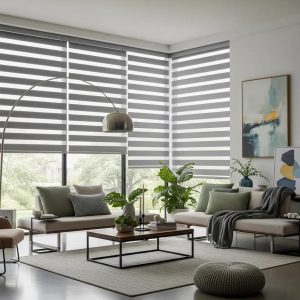
Roller blinds
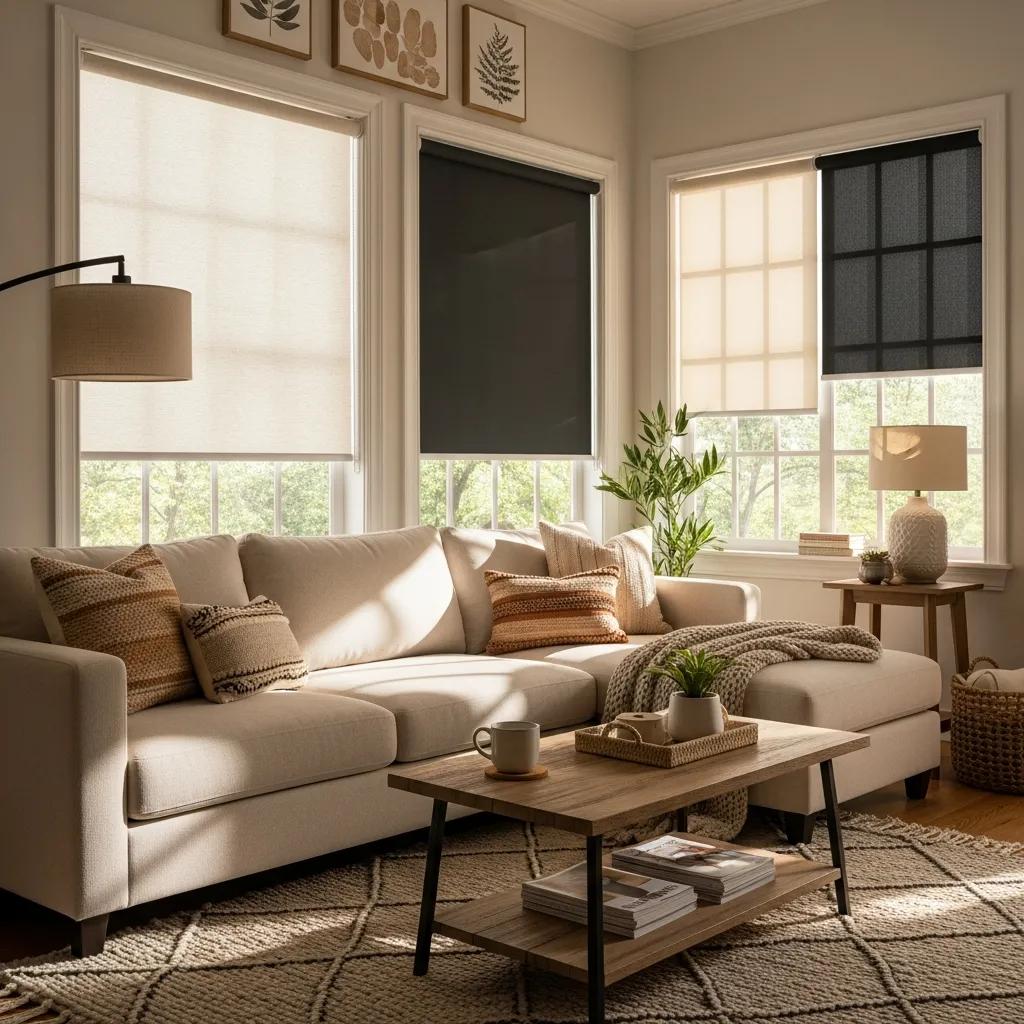
Roller Blinds: Comprehensive Guide to Styles, Features, and Installation for Windsor-Essex and London Ontario
Roller blinds are a versatile window treatment that roll around a tube to provide controlled light, privacy, and tailored aesthetics for homes and commercial spaces. This guide explains how roller shades work, compares blackout, light-filtering, dual/day-night and solar options, and shows how motorized or cordless choices improve safety, accessibility, and smart-home integration. Readers will learn practical buying criteria—fabric opacity, energy-efficiency, and control method—along with installation best practices, maintenance routines, and local service considerations for Windsor-Essex County and London, Ontario. Common pain points such as glare, uneven fits on irregular windows, and cord hazards are addressed with clear solutions like custom roller blinds and motorized roller shades. The article maps next to six focused sections: types and benefits; motorization and smart integration; customization; child-friendly safety; installation choices and professional services; and cleaning plus maintenance—each with comparison tables, checklists, and actionable recommendations to simplify selection and long-term performance.
What Are the Main Types of Roller Blinds and Their Benefits?
Roller blinds are window coverings made of fabric wrapped around a roller tube and controlled by manual or motorized mechanisms, offering varying opacity levels to match room function. They work by selecting fabric with specific light transmission and layering (dual/combined systems) to achieve privacy, daylight diffusion, or total blackout, which affects thermal performance and UV protection. Choosing the right type yields benefits such as improved sleep, reduced glare, and energy savings by lowering heat gain or loss. The next paragraphs break down the common hyponyms—blackout roller shades, light-filtering roller shades, solar roller blinds, and dual roller/day-night shades—and give room-by-room use cases to guide selection.
These choices tie directly to performance attributes—opacity, UV protection, and energy efficiency—so selecting fabric and system type should match the room’s primary function and climate exposure.
- Blackout Roller Shades: Provide near-complete light blocking and privacy for bedrooms and media rooms.
- Light-Filtering Roller Shades: Soften natural light while maintaining daytime privacy for living areas and kitchens.
- Solar Roller Blinds: Reduce UV penetration and glare while preserving outward view for sun-facing rooms.
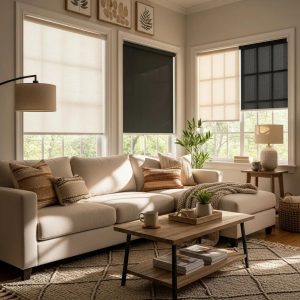
- Dual Roller / Day-Night Shades: Combine two layers or fabrics to offer versatile light control options from light-filtering to blackout, suitable for multi-use rooms and bedrooms.
What Are Blackout Roller Shades and How Do They Improve Privacy and Sleep?
Blackout roller shades are specialized fabrics—often layered with an opaque backing or thicker weave—designed to block nearly all visible light and significantly reduce solar heat transfer. The mechanism is simple: dense fabric plus a close fit to the window frame minimizes light leakage around edges, improving privacy and creating dark environments conducive to sleep.
Blackout systems also contribute to thermal insulation and can reduce external noise slightly, making them ideal for bedrooms, home cinemas, and shift-worker rooms. When installed with proper cassette/valance and sealed bottom bar, blackout shades can deliver measurable improvements in sleep quality and light control.
Blackout options are best for rooms where light elimination is essential; the next section contrasts these with light-filtering alternatives that prioritize daylight diffusion and view-through.
How Do Light Filtering Roller Blinds Soften Natural Light and Protect Your Home?
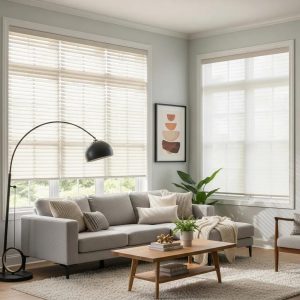
Light-filtering roller blinds use translucent fabrics that diffuse sunlight, reducing glare while allowing a soft ambient light to enter and protecting interior finishes from UV damage. The fabric’s translucency level—expressed as a percentage of light transmission—determines how much daylight is softened, which is useful in living rooms, home offices, and kitchens where view-through and natural light matter.
Light-filtering materials can incorporate UV-stable coatings or tighter weaves to enhance protection for flooring and furnishings, balancing visual comfort with daytime privacy. Choosing the correct opacity and pairing with secondary treatments, such as curtains or sheer roller shades, offers layered control without sacrificing daylight.
| Blind Type | Opacity / Function | Typical Use Case |
|---|---|---|
| Blackout Roller Shades | Blackout / Maximum privacy and light control | Bedrooms, home theatres |
| Light-Filtering Roller Shades | Translucent / Diffuse daylight and reduce glare | Living rooms, offices |
| Solar Roller Blinds | Low-to-moderate opacity / UV reduction and view-through | Sun-facing windows |
| Dual Roller / Day-Night Shades | Two fabrics in one system / Versatile day/night control | Multi-use rooms, bedrooms |
This comparison clarifies which blind type aligns with room purpose and performance priorities, helping you select the appropriate roller shade system.
How Do Motorized Roller Shades Enhance Convenience and Smart Home Integration?
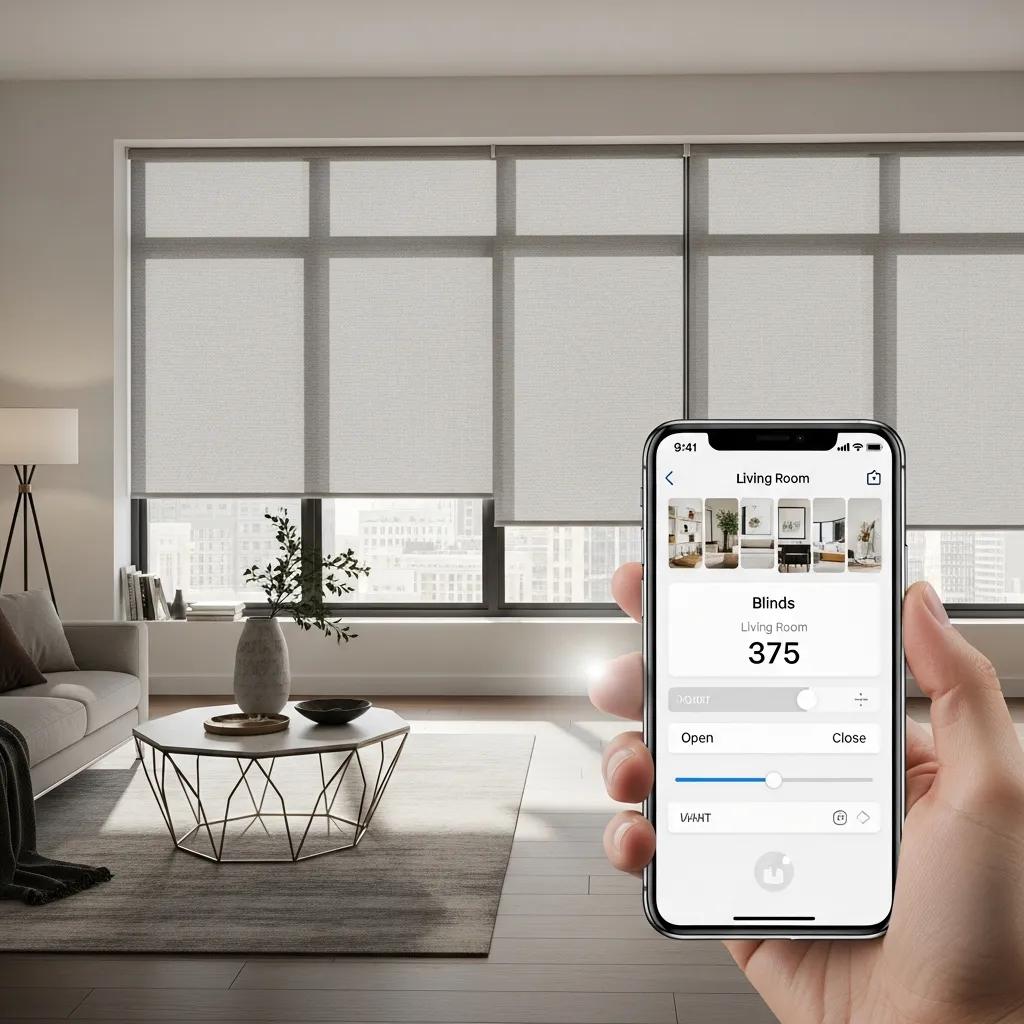
Motorized roller shades replace manual pulls or cords with a motor unit mounted inside the roller tube, enabling scheduled operation, remote control, and voice automation that improve convenience and accessibility. Motorized systems enhance safety by removing cords—reducing entanglement risks for children and pets—and increase energy efficiency by enabling automated shading schedules that respond to sun exposure and temperature.
Integration with smart home platforms allows scenes such as “morning raise” or “away mode” to coordinate shades with lighting and HVAC for consistent comfort. Motorization delivers three core outcomes: simplified daily operation, improved safety, and automated energy savings, which become particularly effective when programmed into routines tied to sunrise and thermostat schedules.
What Types of Motorized Roller Blinds Are Available: Solar, Electric, and Battery Powered?
Motorized roller blinds commonly use three power approaches: solar powered blinds with discreet photovoltaic cells, electric (hardwired) motors for permanent power, and battery-powered roller blinds for retrofit flexibility. Solar motors suit bright exposures and reduce wiring complexity, though they require adequate light for charging; electric motor roller shades offer the most reliable performance for large installations but need professional hardwiring; battery-powered options are easy to retrofit and require periodic battery replacement.
Each power type has trade-offs in maintenance, installation complexity, and suitability for heavy-use or large-scale deployments, so choosing the right motor depends on window orientation, quantity of shades, and whether the project is new construction or a retrofit.
| Power Type | Pros | Cons / Typical Use |
|---|---|---|
| Solar Power | Low operating cost; minimal wiring | Dependent on sufficient light exposure; best for sunny windows |
| Electric (Hardwired) | Continuous power; ideal for many or large shades | Requires electrical work; best for new installs |
| Battery Powered | Easy retrofit; flexible placement | Requires battery changes; suitable for small-to-medium installs |
This table helps weigh the operational and maintenance implications when selecting motorized roller shades.
How Do Smart Controls and Voice Integration Work with Motorized Roller Shades?
Smart controls connect motor units to hubs, bridges, or directly to Wi-Fi depending on motor and ecosystem, enabling phone apps, schedules, scenes, and voice commands with Alexa, Google Assistant, or HomeKit where supported. Typical workflows include scheduling shades to lower at midday for glare control, raising them at sunrise, or grouping multiple shades into a “living room” scene for one-command operation.
Voice integration often requires a compatible hub or controller that translates voice intents into motor actions; troubleshooting commonly involves checking network connectivity, motor firmware, and app permissions. Properly configured automation yields consistent energy savings and hands-free convenience for accessibility, especially for users with mobility limitations.
Why Choose Custom Roller Blinds for Tailored Style and Functionality?
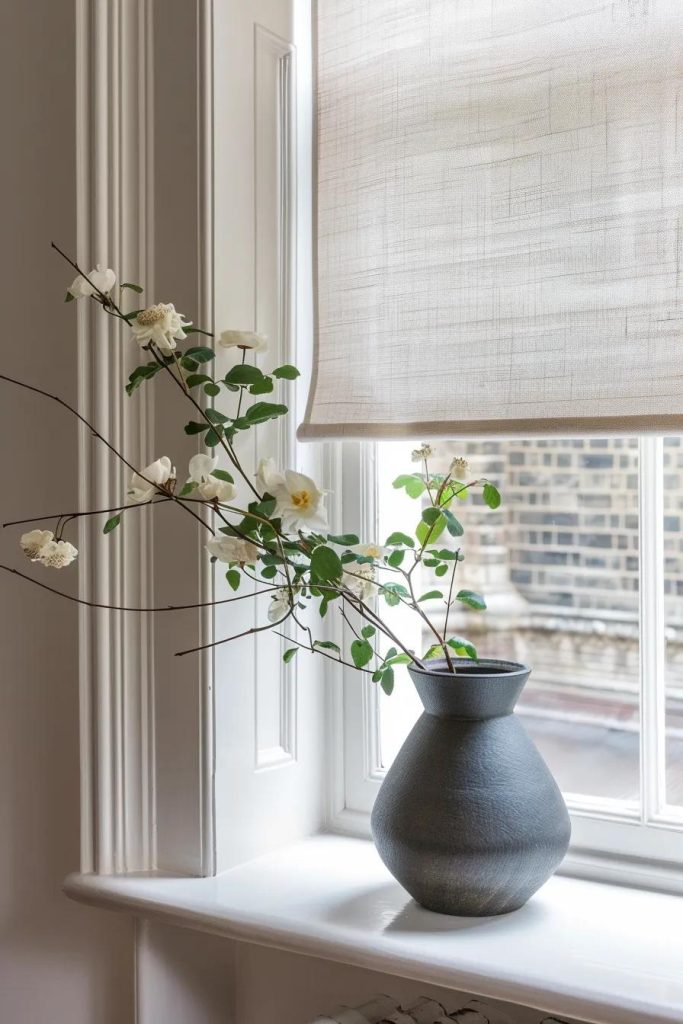
Custom roller blinds are manufactured to fit unique window dimensions and design goals, ensuring a precise fit that minimizes light gaps and enhances aesthetic cohesion with interior décor. Customization spans fabric selection, color, pattern, and hardware choices such as cassette/valance styles and bottom bar finishes, enabling a coordinated look across rooms and commercial spaces.
Made-to-measure solutions address irregular openings, oversized windows, and commercial glazing demands while preserving performance attributes like blackout rating and thermal efficiency. Investing in custom options reduces fitting issues and long-term maintenance problems that arise from off-the-shelf solutions.
What Fabric, Color, and Pattern Options Are Available for Custom Roller Blinds?
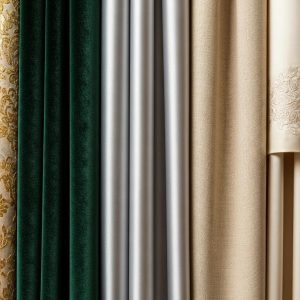
Custom roller blind materials range from PVC and coated polyester for durable, easy-clean blackout performance to natural or eco fabrics for a softer aesthetic; sheer roller shades provide daytime privacy with view-through. Fabric choices affect opacity, washability, and UV resistance: for example, vinyl and performance polyester excel in high-humidity areas, while woven and eco-friendly options add texture and design depth.
Color and pattern selection should consider room function—neutral tones for consistent light diffusion, darker or textured finishes for accent walls, and patterned fabrics for focal points. Design advice recommends testing swatches under real lighting conditions to ensure the chosen color and translucency match expectations.
How Do Custom Roller Blinds Meet Unique Window Sizes and Design Needs?
Custom manufacturing measures windows precisely, accommodating non-standard widths, arched tops, or deep reveals through tailored roller tube lengths and bracket configurations, and selecting cassette options that conceal hardware for a finished look. Precision measurement reduces gaps that allow light leakage and ensures bottom bars and fabric slats align correctly for smooth operation.
Options such as double rollers (dual roller blinds) allow two fabrics in one system to combine blackout and light-filtering functions without separate treatments, ideal for multi-use rooms. The custom process typically includes templates for odd shapes and choices for mounting (inside or outside the reveal) to match architectural and aesthetic requirements.
| Shade Material | Characteristic | Best Use |
|---|---|---|
| PVC / Coated Polyester | Durable, easy to clean | Kitchens, bathrooms, high-traffic areas |
| Eco Fabrics (woven) | Natural texture, sustainable options | Living rooms, bedrooms with design focus |
| Sheer Fabrics | High translucency, view-through | Living areas where daylight is prioritized |
How to Ensure Safe and Child-Friendly Roller Blinds with Cordless and Motorized Options?
Cord hazards from exposed cords are a significant safety concern; cordless roller blinds and motorized roller shades eliminate loops and dangling cords, reducing entanglement risks for children and pets. Cordless mechanisms use spring or clutch drives that allow manual lift without external cords, while motorized systems remove cords entirely by using a motor unit and remote, app, or voice control. Safety-focused choices should prioritize certified cordless or motorized mechanisms and consider access controls or limit stops to prevent unintended operation. The following checklist outlines practical safety measures to pair with these product choices.
- Install Cordless or Motorized Systems: Remove cord loops to eliminate entanglement hazards.
- Use Proper Mounting: Secure brackets high and use valances or cassettes to conceal mechanisms.
- Implement Control Limits: Set motor travel limits to prevent slamming or over-travel.
Choosing cordless or motorized solutions improves safety and accessibility, which is especially important in homes with young children or mobility-limited occupants.
What Are the Benefits of Cordless Roller Blinds for Child and Pet Safety?
Cordless roller blinds use internal spring or clutch mechanisms that allow fabric to be raised and lowered without external cords, removing a common entanglement hazard in bedrooms and playrooms. Beyond safety, cordless systems offer a cleaner visual profile and straightforward manual operation for users who prefer tactile control without remotes or apps. Maintenance is typically low—periodic tension checks and fabric alignment are common—making cordless a practical choice for many residential settings.
Cordless options are particularly useful where simple, reliable operation and immediate safety gains are priorities.
How Do Motorized Blinds Eliminate Cord Hazards and Improve Accessibility?
Motorized blinds remove cords entirely by integrating a motor unit into the roller tube, enabling control via remote, app, or voice commands which is especially helpful for older adults and individuals with limited mobility. Motorization provides scheduled operation and single-button group control for multiple shades, improving independence and daily convenience. Maintenance includes occasional motor checks and battery or power-source management depending on the motor type chosen. For households balancing safety and accessibility, motorized roller shades offer both elimination of cord hazards and enhanced daily usability.
The elimination of cord hazards is a critical safety consideration, particularly in households with children and pets.
What Are the Best Practices for Roller Blinds Installation and Professional Services?
Accurate measurement, correct hardware selection, and precise mounting are paramount for roller blinds to perform as designed—minimizing light gaps, ensuring smooth operation of the roller tube and bottom bar, and preserving warranty coverage. Installation options range from simple inside-reveal mounts suitable for standard windows to outside mounts with cassettes for full blackout performance, and complex commercial or large-scale installs that may require hardwired motors and professional coordination.
- Measure Precisely: Take multiple width and height measurements; account for trims and frame irregularities.
- Choose the Correct Mount: Inside mount for a clean look; outside mount or cassette for blackout and edge coverage.
- Verify Structural Support: Ensure sufficient bracket anchoring, especially for wide or heavy roller tubes.
Well-executed installation protects fabric integrity and long-term operation, and for motorized or complex closures professional installation is often the safer path.
When Should You Choose Professional Installation Over DIY for Roller Blinds?
Professional installation is recommended for complex scenarios: motorized or hardwired systems, very wide or high windows, irregular or arched openings, and commercial projects where multiple units must align perfectly. Experts provide accurate on-site measurement, handle electrical wiring for electric motor roller shades, and ensure motor programming and group integration with smart-home systems. Professional installation often includes validation of mounting support, limit-setting for motors, and tidy concealment of wiring or battery packs. For homeowners concerned about warranty or long-term reliability, the additional investment in professional services often prevents costly rework and ensures consistent operation.
How Does WE BLINDS Provide Free Consultation and Expert Installation in Windsor-Essex and London?
WE BLINDS and curtain (We Blinds) offers a free window treatment consultation designed to assess room needs, measure windows, and recommend suitable roller blind types—covering options such as blackout roller shades, light-filtering fabrics, dual systems, and motorized choices like solar, electric, or battery powered. During the consultation, professionals discuss control preferences (cordless vs motorized), fabric selections, and installation approaches that match the home’s layout and sunlight exposure in Windsor-Essex County and London, Ontario. If installation is chosen, the workflow typically includes in-home measurement confirmation, a formal quote, and scheduling of professional installation to ensure proper fit and motor setup. This local service focus streamlines decision-making and supports homeowners through selection, measurement, and installation.
| Installation Option | When to Choose | Pros / Cons |
|---|---|---|
| DIY (Standard Manual Shades) | Small, standard windows with simple mounts | Cost-effective; risk of measurement error |
| Professional (Motorized or Complex) | Motorized, large, or irregular windows | Accurate measurement; higher upfront cost but reliable results |
| Hybrid (Measure by Pro, DIY Install) | Confident DIYers with complex dimensions | Precision measurement; saves time, may still need pro for motors |
How Do You Maintain and Clean Roller Blinds for Longevity and Performance?
Regular maintenance preserves fabric appearance and ensures smooth operation of mechanical parts like the roller tube, cassette/valance, clutch, and motor unit. Maintenance routines differ by material: vinyl and PVC wipe clean easily, performance polyester tolerates gentle vacuuming, and delicate natural fibers may need professional cleaning or careful spot treatment. For motorized roller shades, periodic motor checks, battery replacement schedules for battery-powered units, and solar panel cleaning for solar motors sustain reliable automation. The following maintenance schedule and cleaning tips help extend the service life and maintain the visual appeal of roller blinds.
What Are Effective Cleaning Methods for Different Roller Blind Fabrics?
Cleaning methods vary: vinyl or PVC can be wiped with a mild detergent solution and soft cloth, polyester fabrics benefit from vacuuming with a brush attachment and spot-cleaning, and woven or eco fabrics usually require gentle dusting or professional textile cleaning. For motorized systems, avoid liquid contact with motor units and control remotes—follow manufacturer guidance to protect electrical components. When addressing stains, test cleaners on a small hidden area first and use blotting rather than rubbing to avoid damaging fibers. Regular light maintenance—monthly dusting and quarterly vacuuming—prevents buildup that leads to discoloration or fabric wear.
How Often Should Roller Blinds Be Maintained to Ensure Durability?
A practical maintenance schedule includes monthly dusting, quarterly vacuuming or gentle wiping, and annual inspection of mechanical components, including checking roller tube alignment, cassette condition, bottom bar alignment, and motor function for motorized units. Battery-powered systems typically need battery replacement every 6–18 months depending on use, while solar panels require occasional surface cleaning to maintain charging efficiency. Signs that indicate professional servicing include uneven rolling, persistent noise in operation, or fabric sagging. Adopting timely maintenance prevents progressive issues and preserves both functionality and appearance.
- Monthly: Dust blinds with a soft cloth or vacuum brush to remove debris and surface dust.
- Quarterly: Inspect hardware, vacuum fabric, and spot-clean as needed according to material type.
- Annually: Conduct a full service check—align roller tubes, verify cassette integrity, and test motor operation.
Regular attention reduces wear and keeps roller blinds performing as intended, maintaining both comfort and aesthetic standards across your windows.
| Maintenance Task | Frequency | Purpose |
|---|---|---|
| Dusting / Vacuuming | Monthly | Prevents dirt buildup and fabric abrasion |
| Spot Cleaning | As needed (quarterly typical) | Removes stains and protects appearance |
| Mechanical Check (motors, brackets) | Annually | Ensures smooth operation and safety |
This maintenance table clarifies practical intervals and the rationale for routine care to maximize lifespan and performance.