Venetian Blinds Suppliers in Windsor: What to Know
Venetian Blinds Suppliers in Windsor: What Homeowners and Businesses Need to Know
Venetian blinds are horizontal-slat window coverings that let you precisely control light and privacy by tilting slats and raising or lowering the headrail, making them a versatile choice for both homes and businesses in Windsor. This guide explains what Venetian blinds are, compares materials and commercial options, outlines professional installation and motorized upgrades, and shows how to maintain and budget for a custom solution. Many Windsor properties contend with seasonal sunlight, humidity near the riverfront, and a mix of residential and commercial storefront needs; Venetian blinds offer adaptable daylighting, privacy, and style that respond well to these local conditions. For readers who prefer expert help, WE BLINDS serves Windsor, Essex County, and London ON with a free in-home consultation that includes measurements, personalized recommendations, demonstrations of materials and motorized options, and a no-pressure estimate. The article proceeds by defining Venetian blinds and their benefits, reviewing material choices and room-by-room recommendations, describing professional installation and motorization, breaking down cost drivers and financing, and finishing with maintenance, commercial solutions, and common questions to help you decide and act.
What Are Venetian Blinds and Why Choose Them in Windsor?
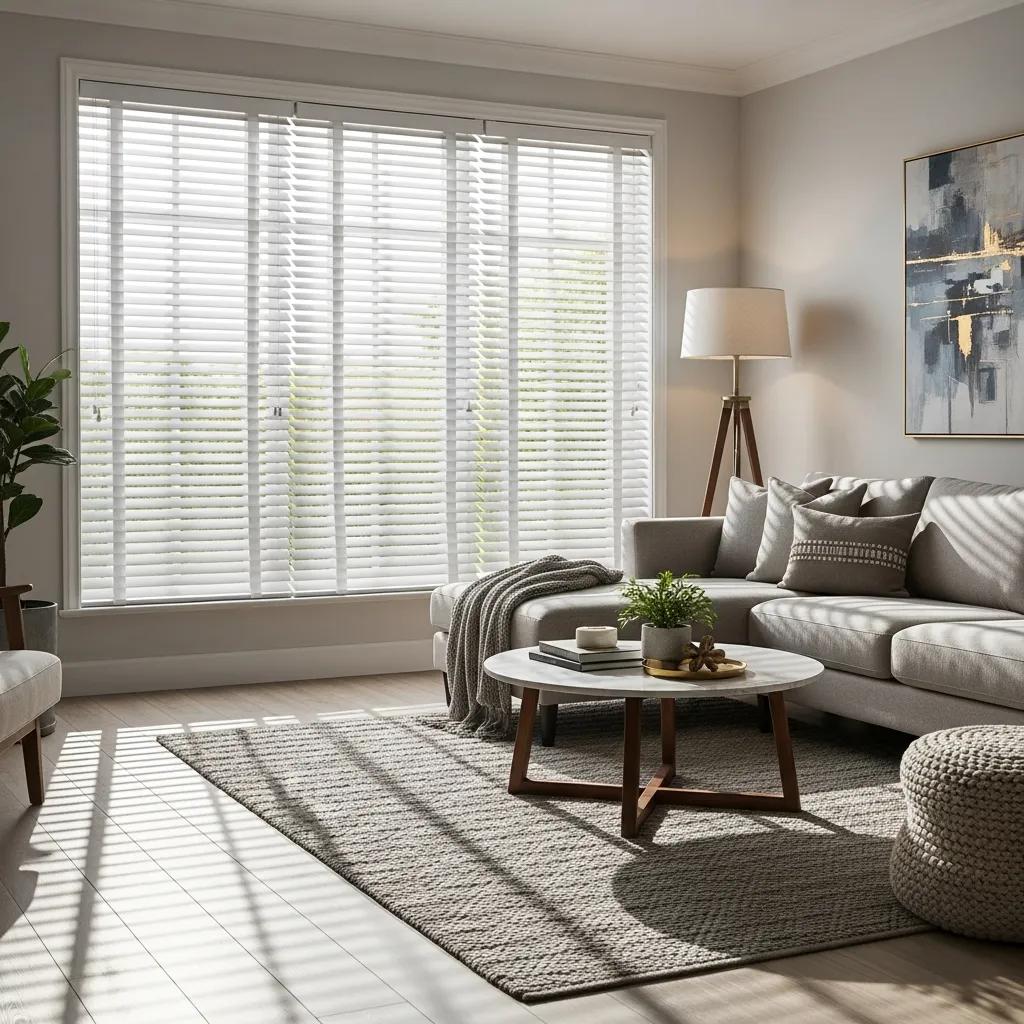
Venetian blinds are window coverings made of horizontal slats—typically wood, faux wood, or aluminum—mounted on a headrail with a tilt mechanism that controls light and visibility. The mechanism allows fine-grained control of incoming sunlight, which reduces glare in sun-facing Windsor rooms and helps manage heat gain during bright summer afternoons. Venetian blinds therefore provide a balance of privacy, adjustable daylighting, and aesthetic flexibility that suits both period homes and modern commercial storefronts. Understanding their operation and benefits leads naturally to a closer comparison with other common window treatments to pick the best fit for each room and use case.
Venetian blinds offer several practical advantages for Windsor properties:
- Precise light control: Tilt slats to filter or block sunlight without losing the outside view.
- Versatile aesthetics: Available in natural wood tones or industrial aluminum finishes to match interiors.
- Durability and low-profile operation: Sturdy headrails and slats suit frequent use in homes and offices.
These benefits make Venetian blinds a pragmatic alternative to single-sheet treatments; the next section compares them directly to rollers, verticals, and Roman shades.
What Defines Venetian Blinds Compared to Other Window Treatments?
Venetian blinds are defined by their slatted construction and tilt mechanism, unlike roller blinds which are a continuous fabric that rolls up and down or vertical blinds which hang individual vanes. The slat-and-tilt design gives Venetian blinds granular control: you can angle light while preserving a view or close the slats completely for privacy. Mechanically, Venetian systems consist of slats, a headrail, a tilt mechanism, and the lift cords or motor module—each meronym plays a role in fit and function. This structure means Venetian blinds are often preferred where adjustable daylighting and nuanced privacy are priorities.
Venetian blinds compare with other treatments across function and style:
- Rollers: simple up/down action, clean look, less fine light control.
- Vertical blinds: better for tall sliding doors, less nuanced tilt options.
- Roman shades: soft fabric aesthetic but without slat-driven light modulation.
These comparisons inform room-by-room recommendations in the following section, which examines material choices appropriate for Windsor homes and businesses.
What Are the Key Benefits of Venetian Blinds for Windsor Homes and Businesses?
Venetian blinds provide adjustable privacy and glare control, which is valuable for Windsor living rooms facing west where late-afternoon sun can cause overheating or screen glare. Their slatted design allows staged daylighting—tilt to admit reflected light rather than direct beams—helping reduce cooling loads on sunny days and improving occupant comfort. For businesses, the privacy and glare control supports client confidentiality and reduces employee eye strain near monitors, while durable commercial hardware reduces maintenance intervals. These operational and aesthetic strengths mean Venetian blinds can serve both decorative and functional roles across residential and commercial settings.
Key local examples show their utility:
- Residential: Tilted slats soften direct afternoon light in living rooms without closing off the view.
- Commercial: Slat adjustments reduce glare on display cases and screens while maintaining a professional appearance.
- Energy-conscious use: Combined with strategic tilt schedules, Venetian blinds can support passive cooling strategies throughout Windsor’s seasonal cycle.
These practical benefits lead directly into material-specific choices, which determine suitability by room and environment.
What Types of Venetian Blinds Are Available in Windsor?
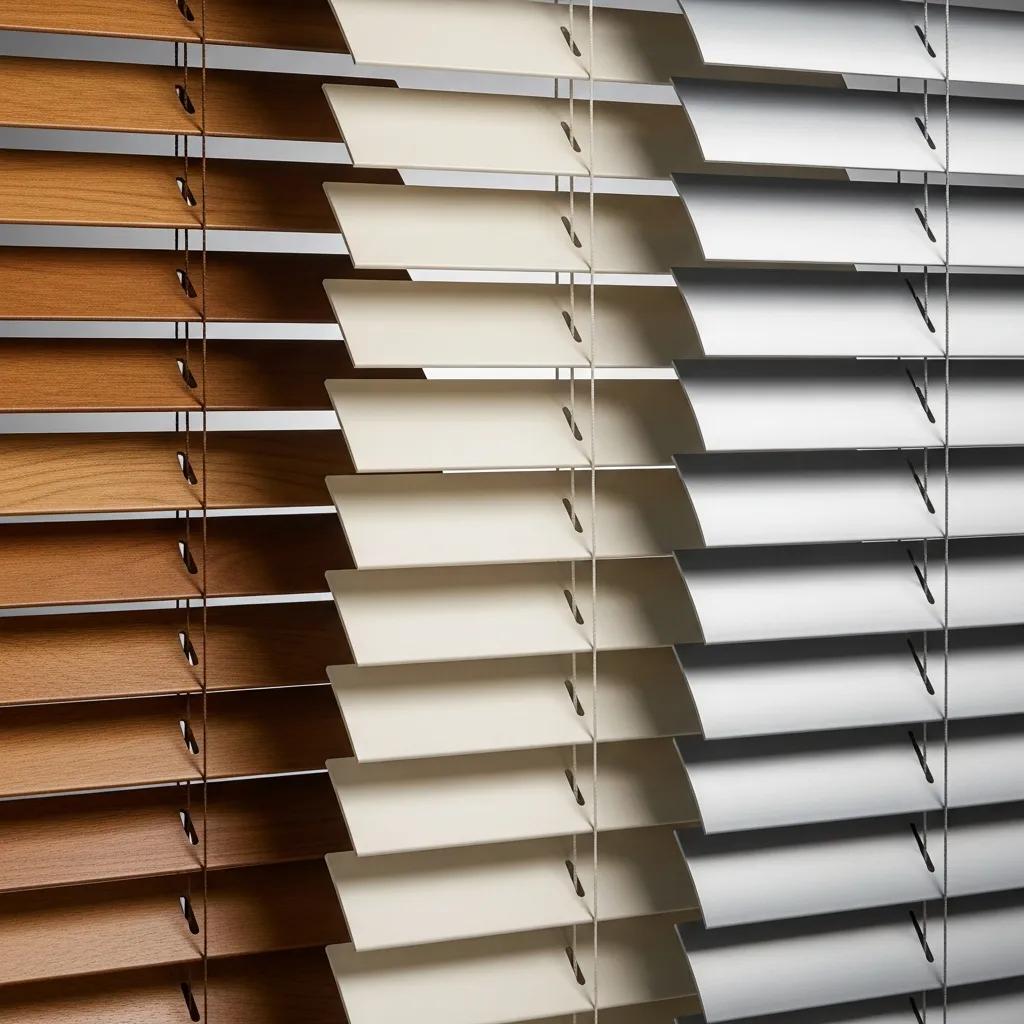
Venetian blinds come in three common material families—wood, faux wood, and aluminum—each offering different durability, moisture resistance, style, and thermal properties that suit specific Windsor rooms and commercial needs. Material selection influences lifespan, maintenance frequency, and suitability for humidity-prone areas like kitchens and bathrooms near the Detroit River. Below is a quick, scannable comparison to help match material properties to your room requirements and design goals.
This table compares the main Venetian blind materials and recommended uses for Windsor properties.
| Material Type | Durability / Moisture Resistance | Style / Finish | Best Rooms |
|---|---|---|---|
| Wood Venetian Blinds | Moderate durability; avoid high humidity | Warm, natural grain finishes | Living rooms, bedrooms, dining rooms |
| Faux Wood Venetian Blinds | High moisture resistance and durable finish | Wood-like appearance at lower cost | Bathrooms, kitchens, basements |
| Aluminum Venetian Blinds | Very durable, low maintenance | Slim profiles, metallic finishes | Offices, storefronts, commercial spaces |
The table clarifies how material choices map to local needs. Selecting the right material next requires exploring the specific benefits of wood, faux wood, and aluminum in Windsor contexts.
What Are the Advantages of Wood Venetian Blinds in Windsor Homes?
Wood Venetian blinds bring a natural warmth and textured finish that elevates living spaces and complements traditional Windsor architectural styles. The solid-wood slats provide modest insulating properties and a premium aesthetic that pairs well with hardwood trim and classic interiors. However, wood is moisture-sensitive and can warp in high-humidity rooms, so it’s best used in dry areas like living rooms and bedrooms where the finish and grain enhance decor. Homeowners should weigh the upscale visual impact and insulating qualities against maintenance needs and avoid wood where steam or frequent humidity changes are expected.
These trade-offs make wood an excellent choice for front rooms and dining areas where visual warmth is a priority and moisture exposure is limited. Next, faux wood offers a moisture-resistant alternative that mimics wood’s appearance with greater durability for wet rooms.
Why Choose Faux Wood Venetian Blinds for Moisture-Prone Areas?
Faux wood Venetian blinds are engineered from composite materials or PVC that resist swelling, warping, and fading, making them ideal for Windsor kitchens, bathrooms, and lower-level spaces. They reproduce the look of natural wood at a lower cost while offering superior moisture and stain resistance, which simplifies cleaning and extends lifespan in humid conditions. Faux wood maintains consistent operation even when exposed to steam or temperature swings, reducing the need for professional repairs. For homeowners seeking the visual warmth of wood without the humidity vulnerability, faux wood is a pragmatic compromise.
Choosing faux wood supports both aesthetic continuity and long-term performance in moisture-prone rooms; the following subsection examines aluminum as the industrial-strength option for commercial contexts.
How Do Aluminum Venetian Blinds Suit Commercial and Modern Spaces?
Aluminum Venetian blinds are lightweight yet robust, offering corrosion-resistant finishes and slimmer slat profiles that suit contemporary offices, retail storefronts, and hospitality interiors in Windsor. Their low maintenance and wide colour/finish options help achieve modern, minimalist aesthetics while withstanding heavy daily operation in commercial settings. Aluminum also integrates readily with heavier-duty commercial headrails and cord systems designed for large windows and frequent use, and it pairs well with fire-safety and building code considerations where non-combustible materials are preferred. For businesses prioritizing durability and clean lines, aluminum is often the best-performing material.
These strengths make aluminum a go-to for large-format installations; next we explain how professional installation ensures optimal fit and long-term function.
How Does Professional Venetian Blinds Installation Work in Windsor?

Professional Venetian blinds installation begins with accurate measurement and ends with precise mounting and adjustment, ensuring slats align, cords operate safely, and headrails are secured for years of trouble-free use. Accurate on-site measurement is critical because custom blinds must fit within window reveals or mount flush above frames; incorrect sizing leads to light gaps or mechanical strain. Professional installers follow a predictable workflow—consultation, measurement, ordering, installation, and final adjustments—to manage timelines and quality control. Understanding this process helps property owners prepare for an in-home visit and sets expectations for minimal disruption during installation.
Below is a numbered checklist of the typical installation steps homeowners and businesses can expect:
- Initial consultation and site assessment: Discuss style, material, and motorization options.
- Precise measurements: Record inside/outside mount dimensions and window irregularities.
- Ordering and fabrication: Place custom orders based on confirmed specs and finishes.
These steps reduce errors and ensure the finished blind operates correctly; the next subsection explains what happens during a free in-home consultation with a local supplier.
What to Expect from a Free In-Home Consultation with WE BLINDS?
A free in-home consultation with WE BLINDS includes personalized design advice, accurate measurements, product demonstrations using material samples, and a no-pressure estimate tailored to your Windsor property. The visit typically involves reviewing room priorities—privacy, light control, moisture exposure—and demonstrating slat options, finishes, and motorized controls where relevant. Measurements are taken to manufacturer tolerances so custom pieces fit cleanly, and installers discuss timeline expectations and any site-specific requirements. Scheduling is simple for Windsor, Essex County, and London ON clients, and the consultation serves as the primary step to receive exact pricing and a recommended solution.
This in-home consultation bridges selection and installation by confirming materials and measurements before ordering. Next we cover why professional installation matters beyond measurement alone.
Why Is Professional Installation Important for Venetian Blinds?
Professional installation minimizes common DIY risks such as incorrect measurements, misaligned slats, insecure mounts, and voided warranties that lead to poor function or safety hazards over time. Expert installers ensure hardware matches window substrate—drywall, masonry, or commercial storefront frames—and that the tilt and lift mechanisms are balanced to prevent premature wear. Correct installation also preserves manufacturer warranties and reduces long-term maintenance or replacement costs, which is particularly important for motorized systems and commercial installations. Investing in professional installation therefore improves both the appearance and lifecycle performance of Venetian blinds.
Clear installation practices protect both aesthetic outcomes and mechanical integrity, which prepares us to discuss motorized systems and their added conveniences.
How Do Motorized Venetian Blinds Enhance Windsor Homes and Offices?
Motorized Venetian blinds add convenience, safety, and energy-management capabilities by using battery or hardwired motors to raise, lower, and tilt slats via remote, wall switch, or smart-home integration. Motorization eliminates cords, improving child and pet safety while enabling scheduled or sensor-driven shading that can reduce HVAC loads during peak sun. For smart-home setups, motorized blinds integrate with automation platforms to create routines like morning light exposure or mid-day shading, enhancing occupant comfort and operational efficiency. These practical gains make motorized systems an attractive upgrade for both busy homeowners and technology-forward businesses.
Key motorized benefits include:
- Convenience of remote and scheduled control for daily light management.
- Improved safety by eliminating exposed cords in family spaces.
- Energy savings from automated shading aligned with sun patterns and HVAC cycles.
Understanding these benefits leads into practical installation considerations and retrofit options available locally.
What Are the Benefits of Motorized Venetian Blinds for Smart Homes?
Motorized Venetian blinds enable scheduled operation and scene-setting that enhance comfort and energy efficiency, such as raising blinds in the morning and lowering them at peak sun to limit heat gain. Integration with common smart-home hubs allows voice control and automation, linking blinds to temperature or light sensors for hands-free management. Eliminating cords increases safety in family rooms and childcare settings while simplifying operation for occupants with mobility limitations. The combination of automation, safety, and energy-savvy scheduling makes motorized blinds a compelling choice for Windsor properties updating to current smart-home trends.
These practical advantages set expectations for how motorized systems are installed and commissioned by professionals, which the next subsection describes in a local context.
How Does Motorized Installation Work with WE BLINDS in Windsor?
Motorized installation with WE BLINDS begins with an assessment of power options—battery-operated motors for easy retrofit or hardwired units for continuous power—and a review of smart-home compatibility during the free in-home consultation. Installers evaluate whether existing blinds can be retrofitted or if new headrails are required, then program and test motor functions on-site to ensure reliable communication with remotes or automation hubs. On installation day, technicians mount motors, conceal wiring where necessary, and demonstrate operation and scheduling for the homeowner or facility manager. Clients in Windsor can request motorized demonstrations during the consultation to see controls and schedules in action.
Professional commissioning ensures motors are programmed correctly and that the system integrates with daily routines, which is important when assessing overall project cost and financing options.
How Much Do Venetian Blinds Cost in Windsor and What Financing Options Are Available?
Costs for custom Venetian blinds in Windsor vary widely based on material, window size and complexity, motorization, and installation difficulty; typical projects range from economical retrofit kits to premium motorized custom solutions. Major cost drivers include slat material and finish, special shapes or large-format windows, automation upgrades, and any required structural work for mounts. For budgeting purposes, homeowners should view initial estimates as ranges rather than fixed quotes and use a free in-home consultation to obtain exact pricing tailored to their windows. Below is a concise breakdown of the principal cost factors and how they influence pricing.
This table breaks down cost factors and their typical impact on project pricing.
| Cost Factor | Range / Impact | What It Means |
|---|---|---|
| Material (wood, faux, aluminum) | $ – $$$ / High | Material choice affects unit cost and finish options |
| Window Complexity (arched, bay, oversized) | $$ – $$$ / High | Custom shapes require more fabrication and labor |
| Motorization & Controls | $$ – $$$$ / High | Motors and smart integration add premium costs |
| Installation Difficulty | $ – $$ / Medium | Mounting surface and accessibility affect labor time |
Understanding these drivers helps homeowners prioritize where to invest—appearance, automation, or durability—and informs whether financing is appropriate.
What Factors Influence the Cost of Custom Venetian Blinds in Windsor?
Material selection strongly affects unit price: wood typically costs more than faux wood, and aluminum can be economical for standard sizes but rises with heavy-duty finishes. Window complexity—arched tops, shallow reveals, or oversized panels—requires custom fabrication that increases cost and lead time. Motorization adds both component and programming expenses, particularly for multi-channel smart integrations. Installation difficulty, including access and structural work, also contributes to labour costs; combining multiple windows into a single project can produce savings per unit.
Recognizing these cost drivers clarifies budgeting decisions and explains why a tailored consultation is the most accurate path to an exact quote from a supplier.
What Financing Plans Does WE BLINDS Offer for Venetian Blinds?
WE BLINDS offers financing options as part of its service mix to make larger or motorized Venetian blind projects more accessible, and customers are encouraged to discuss available plans during the free in-home consultation. Financing availability helps spread the cost of premium materials or automation upgrades over time, which is useful for full-home renovations or commercial fit-outs. Specific plan details, eligibility, and application steps are reviewed during the consultation so clients receive accurate, personalized information. Scheduling a free visit is the recommended way to understand financing terms and see how they align with your project priorities.
Presenting financing as part of the consultation process keeps pricing transparent and helps clients weigh monthly payments against energy and convenience benefits.
How Should You Maintain and Care for Venetian Blinds in Windsor?
Routine maintenance extends the life of Venetian blinds and keeps slats operating smoothly; the right cleaning methods vary by material and local conditions such as Windsor’s seasonal humidity and dust. Regular dusting prevents buildup, periodic deep cleaning addresses stains and grime, and motorized systems require battery checks or electrical inspections. Knowing when to attempt simple repairs—like replacing a slat or re-threading a cord—and when to call a professional saves time and prevents accidental damage. The following table outlines recommended cleaning protocols by material to make routine care straightforward.
This table summarizes cleaning methods and recommended frequency for common Venetian blind materials.
| Material | Cleaning Method | Recommended Frequency / Products |
|---|---|---|
| Wood | Dry dusting + gentle polish | Weekly dusting; avoid water-based cleaners |
| Faux Wood | Damp wipe with mild detergent | Weekly dusting; monthly gentle wipe |
| Aluminum | Damp cloth and mild cleaner | Weekly dusting; deeper clean as needed |
Following these material-specific practices reduces wear and keeps blinds functioning; the next subsection offers stepwise cleaning tips for each material.
What Are the Best Cleaning Tips for Different Venetian Blind Materials?
For wood blinds, prioritize dry dusting with a microfiber cloth and occasional polish with wood-safe products; avoid soaking or abrasive cleaners to prevent warping. Faux wood responds well to a damp cloth with mild detergent for periodic deeper cleaning, making it suitable for kitchens and bathrooms where grease or steam accumulate. Aluminum slats tolerate mild cleaning solutions and can be rinsed gently; they are forgiving of more frequent wet cleaning if needed. For motorized systems, remove dust before operating motors and follow manufacturer guidance for battery replacement or hardwired checks.
These cleaning routines are simple to implement and prevent corrosion, warping, or motor strain—issues that could otherwise require professional service.
Where Can Windsor Customers Find Repair and Maintenance Services?
When a blind has broken slats, motor failure, snapped cords, or mounting problems, consulting a professional service ensures safe diagnosis, correct parts, and reliable repair without voiding warranties. Service visits typically begin with an assessment to determine repairability, followed by an estimate for parts and labour and scheduling for on-site work. For complex motorized or commercial systems, professional technicians have access to compatible motor modules and heavy-duty hardware replacements that DIY repairs often cannot match. Customers concerned about repair needs can schedule a professional consultation to assess condition and receive an itemized repair plan.
Professional maintenance preserves long-term performance and is recommended if repairs involve motors, structural mounts, or significant component replacement.
What Commercial Venetian Blinds Solutions Are Available in Windsor?
Commercial Venetian blinds solutions prioritize durability, compliance, and low maintenance while delivering privacy, glare reduction, and consistent aesthetics across large windows and multiple locations. Commercial-grade systems use heavy-duty headrails, fire-retardant materials where required, and simplified maintenance features to minimize downtime. Tailored solutions accommodate storefronts, office floorplates, hospitality venues, and institutional settings needing code-compliant materials and project management for multi-window installations. Understanding these capabilities helps business owners select systems that balance operational needs with visual brand standards.
Common commercial benefits include:
- Robust hardware that tolerates frequent operation and reduces replacement cycles.
- Improved employee comfort and client privacy through glare control and shading.
- Compliance with safety standards using suitable materials and installation practices.
These operational advantages inform how service providers support commercial projects, including site visits, staging, and installation planning.
What Are the Benefits of Commercial-Grade Venetian Blinds for Windsor Businesses?
Commercial-grade Venetian blinds offer long-term value through heavy-duty components that reduce maintenance frequency and total cost of ownership, which is particularly important for high-traffic offices and retail environments. By controlling glare and daylight, these systems help maintain consistent interior lighting levels, improving employee productivity and customer experience. Fire-retardant options and strong mounting solutions support building-code compliance and safety standards in public-facing spaces. For businesses planning coordinated installations across multiple rooms or sites, commercial-grade solutions provide uniformity, durability, and predictable lifecycle costs.
Such benefits often justify the upfront investment, especially when evaluated against lost productivity or frequent replacements from lower-grade systems.
How Does WE BLINDS Support Commercial Clients with Custom Solutions?
WE BLINDS supports commercial clients through consultative site visits, custom quoting, and project management for large-format and staged installations across Windsor, Essex County, and London ON. The process includes measuring large window banks, recommending commercial-grade materials and hardware, and coordinating installation schedules to reduce business disruption. WE BLINDS can discuss financing options and ongoing maintenance plans during the consultation to align with a company’s capital and operational budgets. This project-oriented approach helps businesses implement durable, code-aware shading solutions that match brand and functional requirements.
Professional project coordination streamlines commercial rollouts and ensures consistent outcomes across multiple spaces.
What Are Common Questions About Venetian Blinds in Windsor?
Homeowners and businesses often ask whether Venetian blinds provide sufficient privacy and light control and how they compare to other blind types when accounting for Windsor’s climate and room-use cases. Short, direct answers help readers decide quickly: Venetian blinds excel at adjustable light control and privacy due to their slat tilt, and they are often preferable where nuanced daylighting matters. Comparisons to roller and vertical blinds center on functional differences: tilt-driven modulation versus simple up/down or hanging vanes. These concise clarifications address typical purchasing decisions and guide readers to the most appropriate treatment for their windows.
The following brief Q&A addresses the top practical concerns in Windsor-specific terms.
Are Venetian Blinds Good for Privacy and Light Control?
Yes; Venetian blinds deliver excellent privacy and light control because the slat tilt lets you direct or diffuse sunlight while preserving part of the outside view if desired. For street-facing rooms in Windsor, angling slats downward lets daylight in while reducing one-way visibility into interiors. Properly sized and installed blinds close with minimal light gaps, and motorized controls can automate privacy schedules for business hours or nighttime settings. For maximum privacy, combine slat orientation with additional treatments like liners or layered shades.
This practical control makes Venetian blinds a reliable choice for owners prioritizing both daylighting and discretion.
How Do Venetian Blinds Compare to Roller and Vertical Blinds in Windsor?
Venetian blinds differ from roller and vertical blinds by offering slat-based tilt control, allowing fine-tuned light modulation rather than the binary open/closed operation of rollers or the vertical vanes of vertical blinds. Rollers provide a clean, fabric-based look and may offer better insulation as a single sheet, but they lack the nuanced sun angle control Venetians provide. Vertical blinds suit tall sliding doors and are often more economical for very wide openings but do not offer the same horizontal light shaping. For Windsor homes and businesses, choose Venetians where adjustable light direction and layered aesthetics are priorities; choose rollers or verticals for minimalist looks or very large, sliding openings.
This comparison helps match treatment type to window shape, use-case, and desired daylight strategy.