Smart Motorized Blinds
Smart Motorized Blinds: Comprehensive Guide to Automated Window Treatments for Windsor-Essex and London Homes
Smart motorized blinds automate light, privacy, and energy management by combining a motorized drive with scheduling and smart-home controls, delivering hands-free convenience and measurable efficiency gains. This guide explains what smart motorized blinds are, how motors and control systems work, and which power and control options suit different rooms and building types. Many homeowners and commercial property managers struggle with glare, inconsistent privacy, and high HVAC loads; motorized shades solve those problems by precisely timing shade positions and integrating with thermostats or sensors. You will learn core technologies (motors, power sources, connectivity), clear benefits (convenience, safety, energy savings), product-type comparisons including solar, electric and battery options, and practical smart-home integration steps for Alexa, Google Assistant, and HomeKit. The article also outlines installation, customization, and financing pathways available locally through WE BLINDS and curtain to help Windsor-Essex and London property owners move from exploration to a tailored install.
What Are Smart Motorized Blinds and How Do They Work?
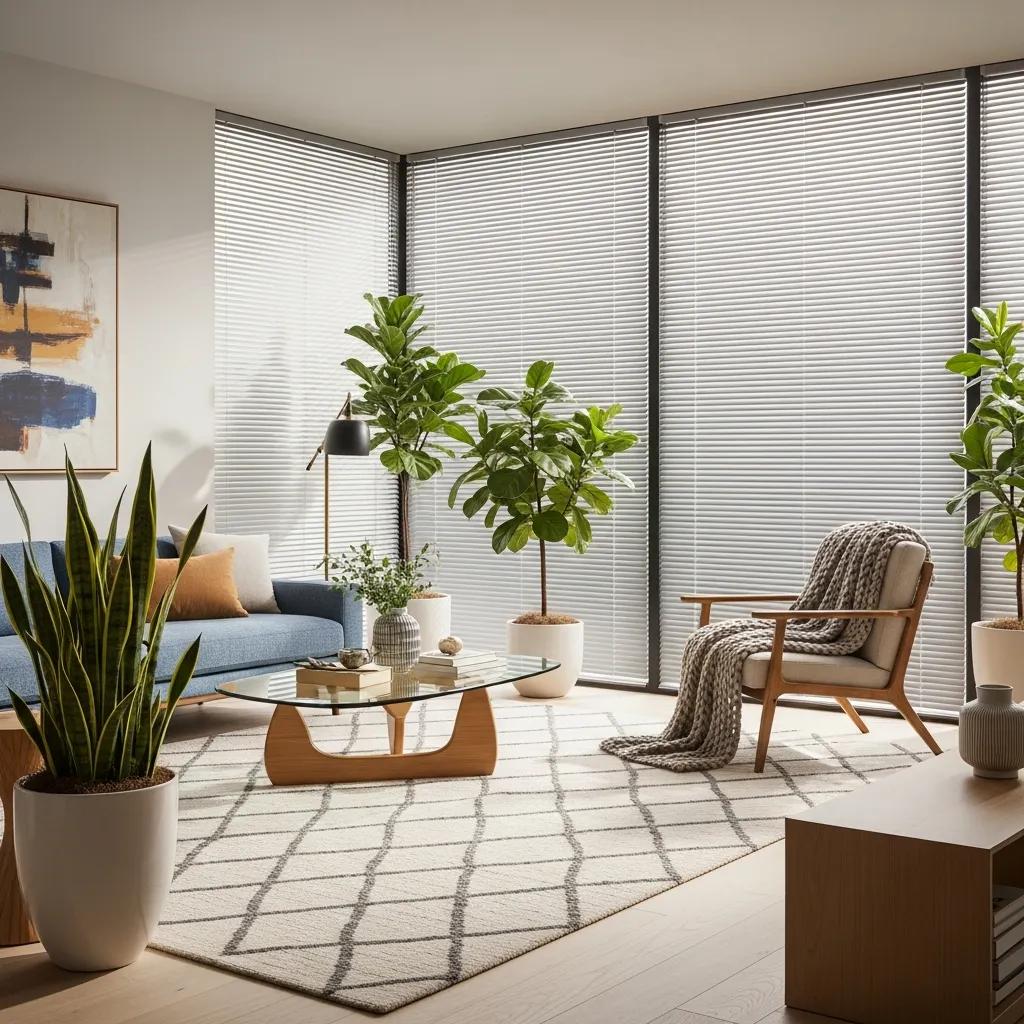
Smart motorized blinds are window coverings driven by an electric motor and controlled via remote, mobile app, voice assistant, or automated schedule to adjust position precisely for comfort and energy management. They work by converting electrical energy into rotational motion in tubular or DC motors that wind or unwind the shade mechanism, while sensors, timers, and software determine position based on user rules or environmental inputs. The result is repeatable shading that reduces manual effort, improves safety by eliminating cords, and enables integration with other home automation systems for coordinated routines. Understanding the underlying motor types and control pathways helps homeowners choose the right system for retrofit or new construction projects and informs integration choices with popular smart home platforms.
What technology powers smart motorized blinds?
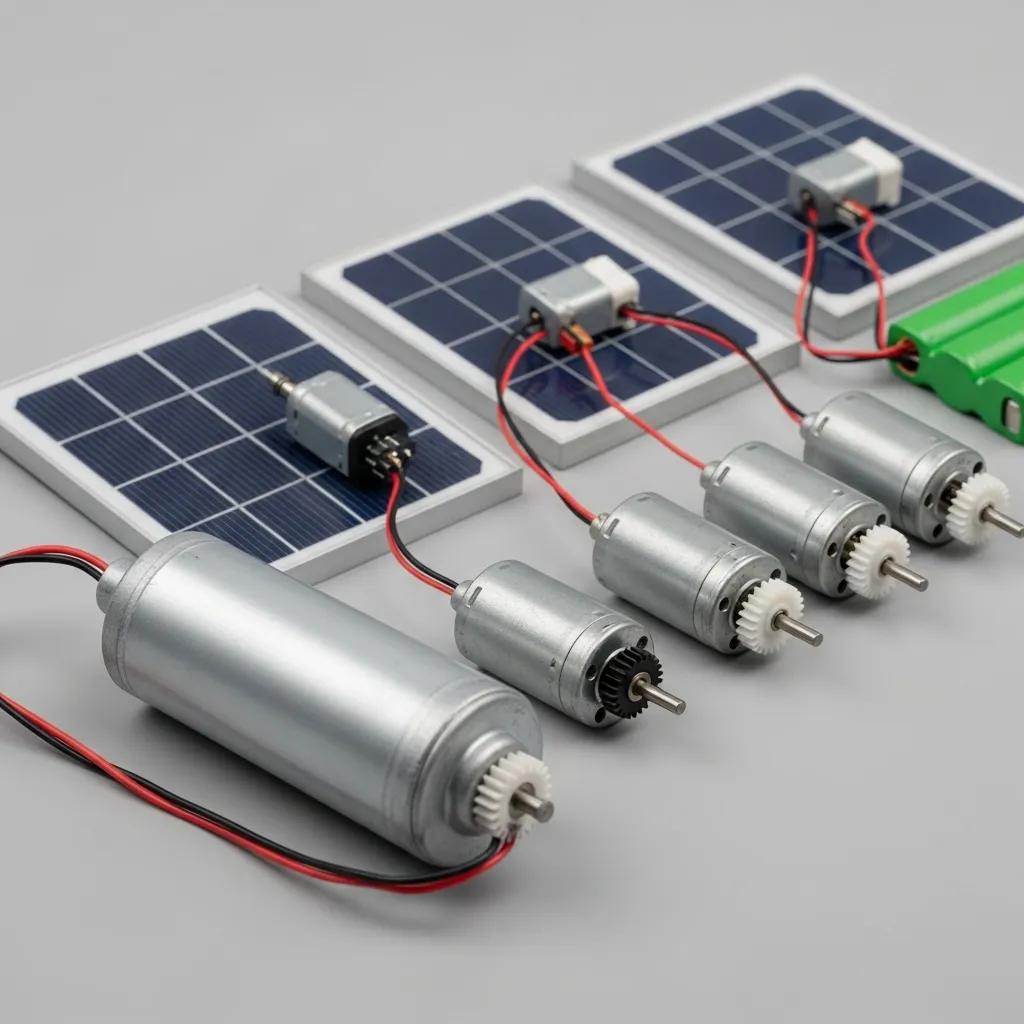
Motors, power sources, and communication protocols form the technology stack that powers smart motorized blinds, and each layer affects installation and long-term operation. Tubular motors sit inside the roller tube and provide quiet, high-torque operation suitable for large or continuous-run shades, while compact DC motors offer efficient motion for smaller or retrofit applications. Power sources include hardwired low-voltage electric supply, rechargeable batteries, and solar panels; each balances installation complexity with maintenance frequency. Communication protocols such as RF, Zigbee, Z-Wave, and Wi-Fi determine whether a hub is needed and influence latency and local network dependency. Evaluating motor torque, duty cycle, and protocol compatibility before purchase clarifies trade-offs and leads into selecting compatible control methods.
How do remote, app, and voice controls operate smart blinds?
Remote, app, and voice controls provide distinct user experiences and integration pathways, and they rely on different connectivity and processing models to operate motorized blinds. Infrared or RF remotes pair directly with receivers to send position commands with low latency and no internet dependency, while smartphone apps connect via local Wi-Fi or through a cloud bridge to allow scheduling, scenes, and firmware updates. Voice assistants translate spoken commands into API calls or local commands through a hub or bridge, enabling routines like “lower shades at sunset” or “open living room shades to 50%.” Each method has pros and cons: remotes are simple and reliable, apps offer automation and history, and voice control adds hands-free convenience but may require additional security or a compatible hub. Troubleshooting pairing or latency typically focuses on signal range, firmware parity, and whether a central hub is configured correctly.
This control comparison clarifies user workflows and leads naturally into the benefits these systems deliver in daily life.
What Are the Key Benefits of Smart Motorized Blinds?
Smart motorized blinds deliver measurable benefits across convenience, energy efficiency, safety, and privacy by automating window position based on time, sensors, or user input. Automated shading reduces repetitive tasks, enables scenes for different activities, and supports energy strategies that lower cooling and heating loads. Safety improves because cordless motorized systems eliminate entanglement hazards for children and pets while synchronized motors maintain balanced operation on wide spans. Privacy becomes programmable through preset positions that respond to time of day or occupancy sensors, and professional installation ensures performance longevity and warranty alignment. These linked advantages explain why property owners increasingly adopt automated window coverings as part of holistic building controls.
Smart motorized blinds provide key impacts that can be mapped to mechanisms and example outcomes:
| Benefit | Mechanism | Impact / Example |
|---|---|---|
| Convenience | Scheduling & remote control | Saves daily adjustment time; morning routines automated |
| Energy Efficiency | Automated solar shading | Lowers peak cooling loads; reduces HVAC runtime |
| Safety | Cordless motorization | Eliminates cord hazards for children and pets |
| Privacy | Preset positions & sensors | Ensures consistent sightline control at night |
This mapping shows how specific mechanisms translate directly into homeowner and building-owner outcomes, and it sets up concrete use-cases for selecting power and control types.
- Smart blinds enhance daily routines with automated schedules tied to sunrise, sunset, or occupancy.
- They reduce HVAC cycling by shading at peak solar gain times and opening during passive heating opportunities.
- They remove cord hazards and improve compliance with safety standards for homes and commercial spaces.
These summarized benefits frame the decision criteria for choosing between solar, battery, and hardwired electric options described next.
Which Types of Smart Motorized Blinds Does WE BLINDS Offer?
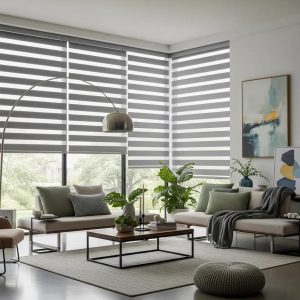
Different power sources and product families suit specific installations; WE BLINDS and curtain offers a selection of Vertical Sheer Smart Blinds, Solar Power Blinds, Electric Motor Blinds, and Battery Power Blinds to meet retrofit and new-build needs across Windsor-Essex County and London, Ontario. Vertical sheer smart blinds excel on wide spans and layered light diffusion, while solar-power options fit south- or west-facing exposures where daylight can recharge integrated panels. Hardwired electric motors provide continuous power and are preferred in commercial or high-duty scenarios, whereas battery-powered solutions simplify retrofit projects by avoiding new wiring. WE BLINDS and curtain combines product selection with local consultation to match homeowner goals to the right motor and control architecture.
Below is a direct comparison of power-source attributes to guide selection for different use cases:
| Power Source | Installation Complexity | Ideal Use Case | Maintenance | Retrofit Suitability |
|---|---|---|---|---|
| Solar Power | Low to medium | Sunny exposures, minimal wiring | Occasional panel cleaning | High |
| Electric (Hardwired) | High (may require electrician) | Commercial, heavy-duty, long-term reliability | Low (continuous power) | Low to medium |
| Battery Powered | Low | Retrofit, apartments, small windows | Recharge or replace periodically | High |
This comparison highlights practical trade-offs and supports homeowners choosing products that align with exposure, wiring constraints, and maintenance tolerance.
After choosing a power type, product family matters: vertical sheers are ideal for floor-to-ceiling glazing because they coordinate multiple panels smoothly; solar and battery blinds simplify retrofit projects; and hardwired motors deliver industrial-grade reliability where wiring is available. WE BLINDS and curtain can help homeowners explore these options during a personalized consultation that shows samples and recommends the optimal motor, control, and fabric mix for each room.
How Can Smart Motorized Blinds Integrate with Popular Smart Home Systems?
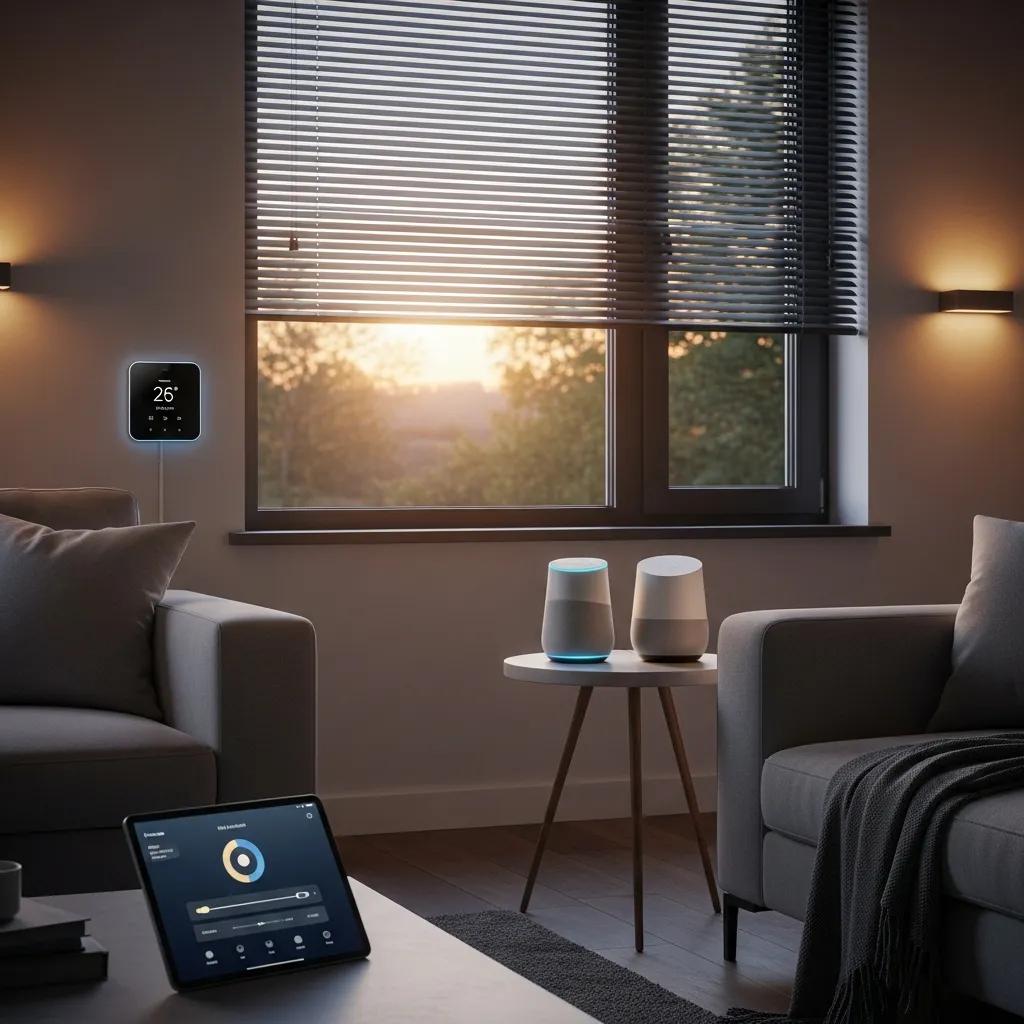
Smart motorized blinds integrate with mainstream smart home platforms to enable voice control, automated scenes, and coordinated routines with lighting and thermostats, improving both convenience and energy performance. Integration typically follows a discovery, pairing, scene creation, and testing workflow that ensures devices respond reliably to schedules, geofencing, or sensor inputs. Compatibility depends on the motor’s protocol—some motors connect directly to Wi-Fi, while others require a hub or bridge to translate Zigbee or Z-Wave commands into the home network. Knowing the correct integration pathway reduces latency and creates seamless automations that trigger shading based on sunset, indoor temperature, or voice commands.
Follow these practical steps to integrate blinds with Alexa, Google Assistant, or HomeKit:
- Verify compatibility: Confirm the blind motor supports your chosen platform or requires a bridge.
- Install and power: Complete installation and ensure motors are powered and calibrated.
- Pair with app: Use the vendor app or hub to discover devices and assign rooms.
- Create routines: Build scenes linking shades with lights, thermostat, or sunrise/sunset triggers.
- Test and refine: Validate timing and positions; adjust slats or positions for desired daylight control.
This step-by-step approach prevents common pairing issues and leads into typical voice command patterns for daily use.
- Example voice commands: “Open living room shades to 70 percent,” “Close bedroom shades at 10 PM,” and “Set morning scene” illustrate how voice control integrates with schedules.
- Hub requirements: Some architectures require a local bridge for HomeKit or certain Zigbee/Z-Wave hubs; confirming this before purchase simplifies deployment.
- Troubleshooting tips: If discovery fails, check motor firmware, network placement, and whether a dedicated hub is logged into the same account.
Effective integration unlocks routines such as thermostats lowering heating when shades close, which improves comfort and can cut energy use when configured properly.
How do Alexa, Google Assistant, and Siri control smart blinds?
Voice assistants control smart blinds by sending commands through a cloud or local bridge to the blind’s control hub, translating spoken intents into position or scene adjustments. Alexa and Google Assistant commonly operate via vendor cloud services or a local hub, enabling phrases like “lower shades” or “set shades to 50%” to map directly to motor positions; Siri/HomeKit prioritizes local network security and may require manufacturer HomeKit support or a certified bridge. Latency and offline behavior differ: cloud-based voice may fail if internet is down, while local HomeKit scenes may continue to run. Knowing these differences helps homeowners choose a control pathway that matches expectations for responsiveness and security.
What are the steps for seamless smart home integration and automation?
A concise checklist ensures integration success: confirm motor protocol, prepare network and hub, update firmware, pair devices, and create test routines to validate automation behavior. Start with a network assessment to ensure strong Wi-Fi coverage near motors or hubs; weak signals cause delays and failed commands. After pairing, create a minimal routine—such as automatic shading at sunset—then expand into scenes with thermostats and lighting. Final validation includes timing checks and physical limit adjustments so motors stop precisely at desired positions. This structured approach prevents common pitfalls and supports durable, reliable automation across the home.
These integration steps set the stage for professional installation and financing options that help move projects from planning to execution with local support.
How Does WE BLINDS Support Customization, Installation, and Financing for Smart Motorized Blinds?
WE BLINDS and curtain supports homeowners and commercial property owners in Windsor-Essex and London, Ontario with free window treatment consultations, professional installation, and financing options to make smart motorized blinds accessible and properly installed. The free consultation brings a specialist to the site to measure, review exposures, and demo product samples while offering no-obligation advice tailored to style, privacy, and energy goals. Professional installation includes calibration, synchronization for multi-track systems, and a handover that demonstrates app and voice control setup for the client. Financing options help spread cost and lower upfront barriers, and WE BLINDS and curtain emphasizes convenient scheduling and a personalized approach to match product choices with the customer’s timeline and budget.
What to expect during a consultation is a focused, stepwise evaluation that prepares for accurate quoting and efficient installation.
- On-site measurements: Precise dimensions and mounting type are recorded for accurate fit.
- Sample demos: Fabric, opacity, and control demos help stakeholders visualize outcomes.
- Control needs assessment: Discuss voice, app, and remote preferences and integration goals.
These consultation steps reduce scope changes during installation and support clear pricing transparency.
What is included in the free personalized consultation process?
The free personalized consultation includes an on-site assessment of window dimensions, sun exposure, and aesthetic preferences plus demonstrations of motor types and control options to guide selection. During the visit, installers identify potential wiring requirements, suggest the most suitable power source—solar, battery, or hardwired—and outline expected installation steps and timelines. Clients receive tailored, no-obligation guidance on fabrics and control ecosystems and suggestions for automations that align with their daily routines. Preparing simple items like a list of preferred rooms and control priorities speeds decision-making and helps the consultant provide a precise recommendation.
How does professional installation ensure optimal performance?
Professional installation ensures motors are mounted, leveled, and calibrated correctly so that multi-track systems operate in sync and limit switches or software stops prevent over-travel. Installers perform torque checks, align tracks to prevent binding, and configure control endpoints—pairing remotes, registering devices with apps, and connecting hubs where needed. Post-install testing includes running full scenes, verifying voice commands, and walking homeowners through maintenance steps such as battery charging or solar panel cleaning. Proper installation also minimizes warranty disputes and enhances long-term reliability, which matters especially for large spans or commercial deployments.
Careful installation reduces callbacks and supports the long-term benefits described earlier in the guide.
What financing options make smart blinds affordable?
Financing options are presented as a high-level way to spread cost without dictating specific plans, and WE BLINDS and curtain encourages clients to discuss current financing availability during the consultation. Financing helps homeowners adopt energy-efficient and automated shading by converting a larger upfront expense into manageable payments that align with renovation budgets. Asking about prequalification and terms during the consultation clarifies monthly cost implications and supports informed choices between power types and fabric selections. Discussing financing early helps align project scope with budget and reduces surprises at the estimate stage.
Encouraging clients to review financing prior to ordering ensures the selected solution matches both technical needs and financial comfort.
What Are the Most Frequently Asked Questions About Smart Motorized Blinds?
This FAQ section answers common buyer questions to reduce friction, clarify value, and guide next steps for homeowners and commercial clients considering motorized shades. Short, actionable answers focus on investment worth, cost factors, retrofit feasibility, and safety for children and pets. Clear responses help potential buyers decide whether a consultation is the right next step and prepare them for installation realities.
Are smart motorized blinds worth the investment?
Yes—smart motorized blinds are generally worth the investment when convenience, energy savings, or safety are priorities; automation can reduce HVAC runtime and remove cord hazards while improving daily comfort. For households with many windows, the time savings and coordinated scenes often justify the higher initial cost compared with manual shades. In commercial settings, motorized systems improve room control for AV environments and meeting spaces, offering predictable light control that enhances usability. Local professionals can quantify expected benefits during a site visit to determine payback relative to usage patterns and energy costs.
This balance of convenience and measurable impact informs cost expectations and product choices.
How much do motorized blinds typically cost?
Costs vary widely based on window size, fabric choice, motor type, and integration complexity, so ballpark ranges are not precise without a site-specific quote; consult a professional for accurate pricing. Factors that increase cost include large custom spans, hardwiring needs, premium fabrics, and integration with advanced home automation systems. Retrofit-friendly options like battery or solar-powered motors generally reduce installation labor, while hardwired installations may include electrician fees. Requesting a free consultation provides an accurate estimate tailored to material, power source, and control requirements.
Asking for a site visit helps convert unknowns into a firm proposal and clear next steps.
Can motorized blinds be retrofitted to existing windows?
Many motorized blinds can be retrofitted, with battery and solar options offering the simplest paths that avoid new wiring and preserve existing finishes. Retrofit suitability depends on available headroom, window frame type, and structural conditions for mounting brackets; installers evaluate these aspects during the consultation. Hardwiring is possible in retrofits but may require running conduit or engaging an electrician, which increases complexity and cost. For difficult-to-reach windows or historic frames, professional assessment identifies the least invasive solution and the expected installation approach.
Retrofit feasibility often makes automated shading accessible without major construction, supporting broader adoption.
Are smart blinds safe for homes with children and pets?
Yes—smart cordless motorized blinds are among the safest window treatment options for homes with children and pets because they eliminate exposed lift cords that pose entanglement hazards. Motorized systems provide remote and scheduled control without manual cords, and professional installation ensures secure mounting and compliance with recommended safety practices. Additional measures such as positioning motors out of reach or using covers for battery packs further reduce risk. Consulting a professional installer helps ensure safety considerations are prioritized during product selection and placement.
Prioritizing cordless motorization enhances safety while preserving the functional benefits of motorized shading.